Craving more sky, fewer neighbors, and trails outside your gate? If you want estate living that still keeps you close to Peninsula work hubs, Woodside delivers a rare mix of space, privacy, and year-round access to open space. In this guide, you’ll see what life on a Woodside estate looks like, what to check before you buy, and how to navigate permits, utilities, and trails with confidence. Let’s dive in.
Why Woodside stands apart
Woodside is a small, low-density town with an estate-scale feel. Many properties sit on acre-plus lots with long driveways, mature trees, and room for guest houses or barns. The town’s population was 5,309 at the 2020 Census, with high owner-occupancy and household incomes that support large-lot living. That combination creates a quiet, country setting minutes from Peninsula job centers. QuickFacts confirms the community’s small size and commuter profile.
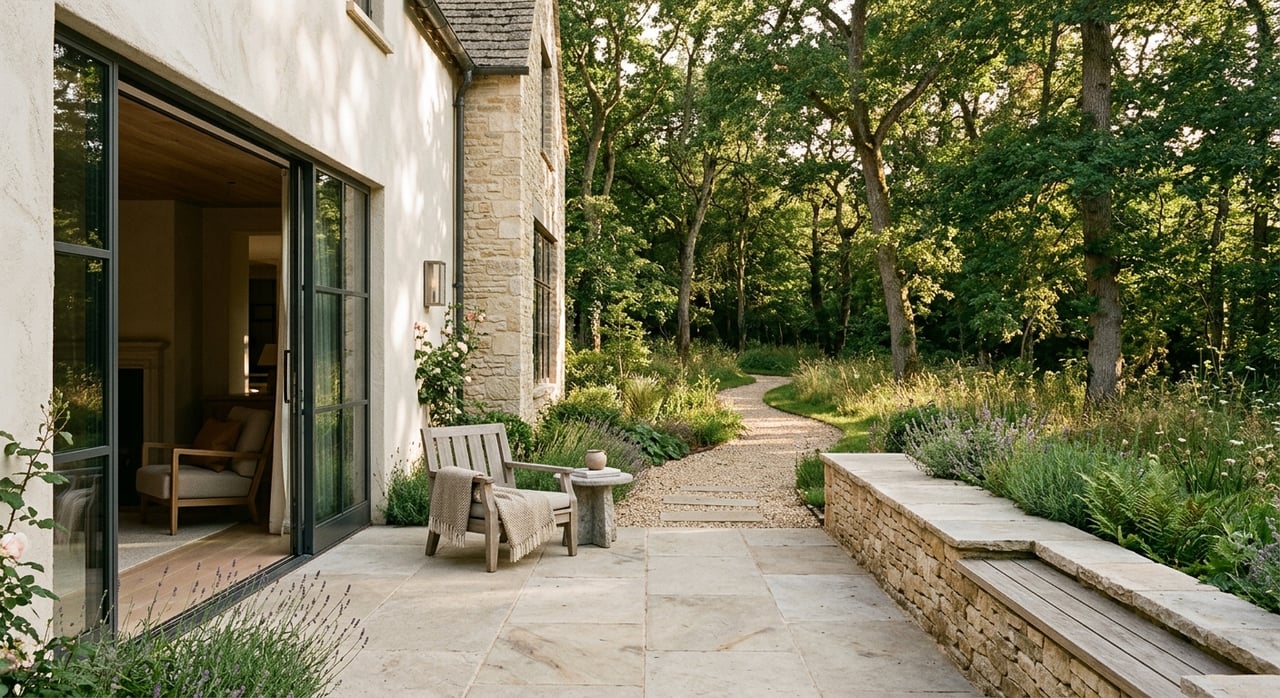
Privacy here is often shaped by the land. Oak and redwood stands provide natural screening. Setbacks and topography reduce sightlines between homes. The result is a sense of retreat that is hard to find elsewhere on the Peninsula.
Trails shape daily life
Town-managed trail network
Woodside’s identity is tied to its trail system. The Town’s Trails Committee works to protect, improve, and expand public equestrian and pedestrian routes. That focus on access and safety is a major reason buyers choose Woodside for horse-friendly living and outdoor recreation.
Regional open space at your doorstep
Beyond town trails, you have quick reach to Midpeninsula Regional Open Space District preserves and San Mateo County parks. Windy Hill and Thornewood offer ridge and forest experiences, while Wunderlich and Huddart feature redwoods and equestrian routes. Explore the network of nearby preserves on Midpen’s preserve list to understand how parcels connect to the broader trail web.
Equestrian permits and etiquette
If you plan to keep horses, confirm stable permits and current trail-use rules with Town staff. The Town periodically reminds residents to renew stable registrations and stay current on trail documentation. You can review a recent Town notice about stable permits and trail-user documentation here.
Estate homes and amenities
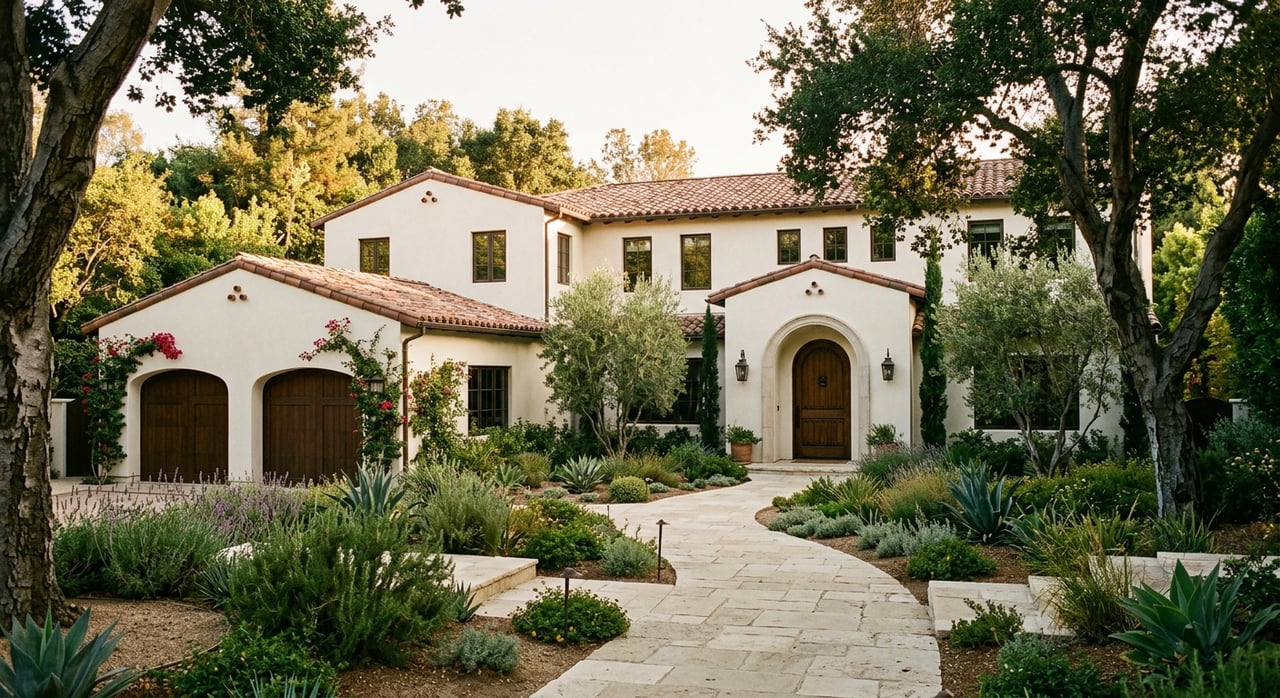
Most Woodside properties are custom single-family homes with land-driven value. You will find ranch-style estates with barns, mid-century remodels, contemporary compounds, and hillside retreats. Typical amenities include paddocks or arenas on larger lots, guest cottages, private trail connections, view terraces, and mature landscaping.
Thinking about a guest house or a second dwelling? Review the Town’s Accessory Dwelling Unit (ADU) guidance early to check maximum floor area, setbacks, and pre-approved plans. For lifestyle context, nearby Filoli is a celebrated historic estate and public garden that anchors many residents’ weekend routines. Local coverage highlights its role in family recreation and seasonal events. See a recent Filoli feature in Almanac News.
Living here day to day
Expect a calm weekday rhythm with most commutes by car via I‑280 or local arterials. Some residents drive to nearby Caltrain stations in Redwood City or Menlo Park. The town’s mean travel time to work is about 28.8 minutes, though actual times vary by route and destination, according to QuickFacts.
Woodside is served by a single-school elementary district (Woodside School, K–8) and the Sequoia Union High School District for high school. For a neutral reference to local staffing and district context, see this recent job posting. Community life includes town events, volunteer trail projects, and steady use of preserves. Weekends often mean rides in Wunderlich, hikes at Windy Hill, and unhurried time outdoors.
What to check before you buy
Buying an estate in Woodside involves a few extra steps. Use this list to get ahead of due diligence.
- Lot lines and easements. Confirm exact acreage, recorded trail easements, and any public access across the parcel. Also note if the property adjoins Midpen lands. Start with the Town planning counter and overlay with preserve maps from Midpen’s preserve list.
- Trail connections and usage. Learn which trails are public versus private and how they interact with your property. The Town’s Trails Committee and staff can guide you to current maps and policies.
- Stable permits and equestrian readiness. Verify any active stable registration, paddock or arena compliance, and trail-user documentation. The Town’s update on stable permits is a helpful reference here.
- Building scope, barns, and ADUs. Review zoning, maximum floor-area rules, and setbacks before you plan additions or new structures. Start with the Town’s ADU guidance and confirm details with Planning.
- Utilities and access. Many estates use wells, septic systems, and private drives. Ask for well logs, septic records, and any road maintenance agreements. The Town’s Quick Links page is a useful directory for contacts.
- Wildfire and defensible space. Budget for ongoing vegetation management. Review seasonal programs and guidance in the Town’s defensible space communication.
- Schools and commute testing. Confirm the assigned school district for the parcel and test real-world drive times to your workplace during typical commute hours.
Market snapshot and strategy
Woodside is an estate market with low annual transaction volume and multi-million-dollar pricing. Numbers shift month to month, so rely on current MLS data and parcel-specific comparables rather than broad price-per-square-foot metrics. The best comps match acreage, setting, easements, and equestrian infrastructure. Because inventory is tight and each property is unique, plan for patient negotiations and targeted, high-quality presentation when you sell.
Work with a local advocate
A successful Woodside purchase or sale depends on detail. You want a calm advisor who can read parcel nuances, coordinate vendors, and manage a disciplined process from first tour to close. With Compass tools and access to Compass Concierge for pre-market improvements, you can elevate presentation and shorten time on market while keeping the experience discreet and well-run.
If you’re weighing a move, let’s talk through your goals, timing, and the due diligence that will matter most on your specific parcel. Connect with David Kelsey. Let’s connect for a confidential market conversation.
FAQs
Can you keep horses on a Woodside estate?
- Yes, Woodside supports equestrian living; confirm current stable permit requirements and trail-use rules with Town staff using the Town’s stable-permit update for reference.
Are Woodside trails public or private?
- Both exist; town-managed trail easements interface with private property, and regional preserves offer public trails, so review recorded easements and Midpen preserve maps.
How big are typical Woodside lots for estates?
- Many core neighborhoods feature acre-plus parcels, with some properties on several acres, creating the privacy and space that define the market.
What should you know about utilities on Woodside estates?
- Expect wells, septic systems, and private roads on many parcels; verify maintenance responsibilities, records, and any shared-road agreements before you close.
How long is the commute from Woodside to Peninsula job centers?
- The town’s mean travel time is about 28.8 minutes, but actual times vary by route and destination; test your specific commute during peak hours.