If you have ever wondered why one Palo Alto home trades near 3 million while a similar one a few blocks away sells for 6 million, you are not alone. As a Peninsula buyer, you face fast-moving listings, nuanced pricing strategies, and block-by-block differences that drive big swings in value. In this guide, you will learn how Palo Alto’s micro-markets work, what truly moves price, how to read list prices and comps, and what to expect when you write an offer. Let’s dive in.
The quick market picture
Palo Alto’s citywide numbers point to a high-price, low-supply market. Recent aggregator data places the median sale price for single-family homes around the low 3 million range, while indexed measures of “typical” value read somewhat higher. These series measure different things, so small but important gaps are normal. Price per square foot often lands in the low-thousands, and well-priced homes can move in weeks. In tighter months a meaningful share of sales close at or above list.
The headline numbers are only the start. High-end historic neighborhoods such as Old Palo Alto, Crescent Park, and parts of Downtown/Professorville can sit several million above the city median, while areas like Midtown, Barron Park, and parts of South Palo Alto often trade in lower ranges. Thinking in neighborhood bands will help you calibrate expectations.
Why prices vary block to block
Proximity and micro-markets
Location is the biggest driver of value. Proximity to Stanford University, University Avenue and California Avenue retail, and short, safe access to Caltrain or strong bike routes all increase buyer demand and price ceilings. Research on transit access shows many markets experience a measurable premium within a short walk of rail stations. In practice, you will see stronger competition for homes that offer an easy daily routine.
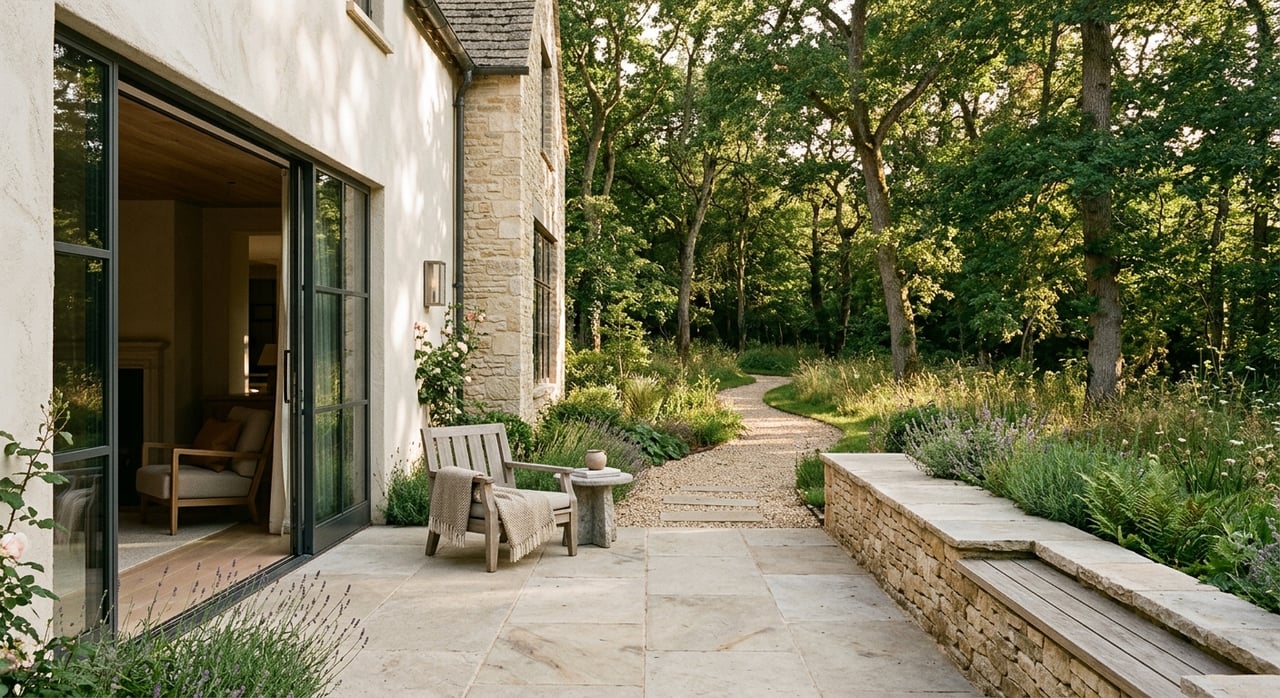
Lot size and outdoor space
In a built-out city, land is scarce. Palo Alto’s R-1 single-family zoning includes subdistricts with distinct minimum lot sizes, which structurally limits how much land supply can change. In many neighborhoods, a 6,000 to 10,000 plus square foot lot materially shifts value, sometimes more than an extra few hundred square feet of interior space. If you value privacy, play space, or future expansion, lot size should be on your short list of must-haves. For zoning context, review the city’s single-family district standards outlined in the municipal code summary of R-1 rules. See an overview of R-1 standards.
Home size, FAR, and permitted expansion
Usable living area remains a primary valuation input, but layout also matters. Palo Alto’s code uses formulas for floor area ratio and maximum house size, and permitted additions, ADUs, and documented improvements tend to preserve value better than unpermitted work. Before you offer, confirm what is permitted on the parcel and what expansions are allowed. The city’s parcel reports page is a helpful starting point. Check parcel reports and ADU guidance.
Renovation level and move-in readiness
Turnkey homes with updated kitchens, refreshed baths, and modern systems often capture a premium because they reduce your time and project risk. Regional Cost vs. Value analyses show midrange updates often recoup a high share of cost at resale, while major luxury expansions can return a lower percentage. If you plan to renovate post-purchase, prioritize improvements with broad buyer appeal and strong documentation. Review regional Cost vs. Value insights.
Architectural character and teardown math
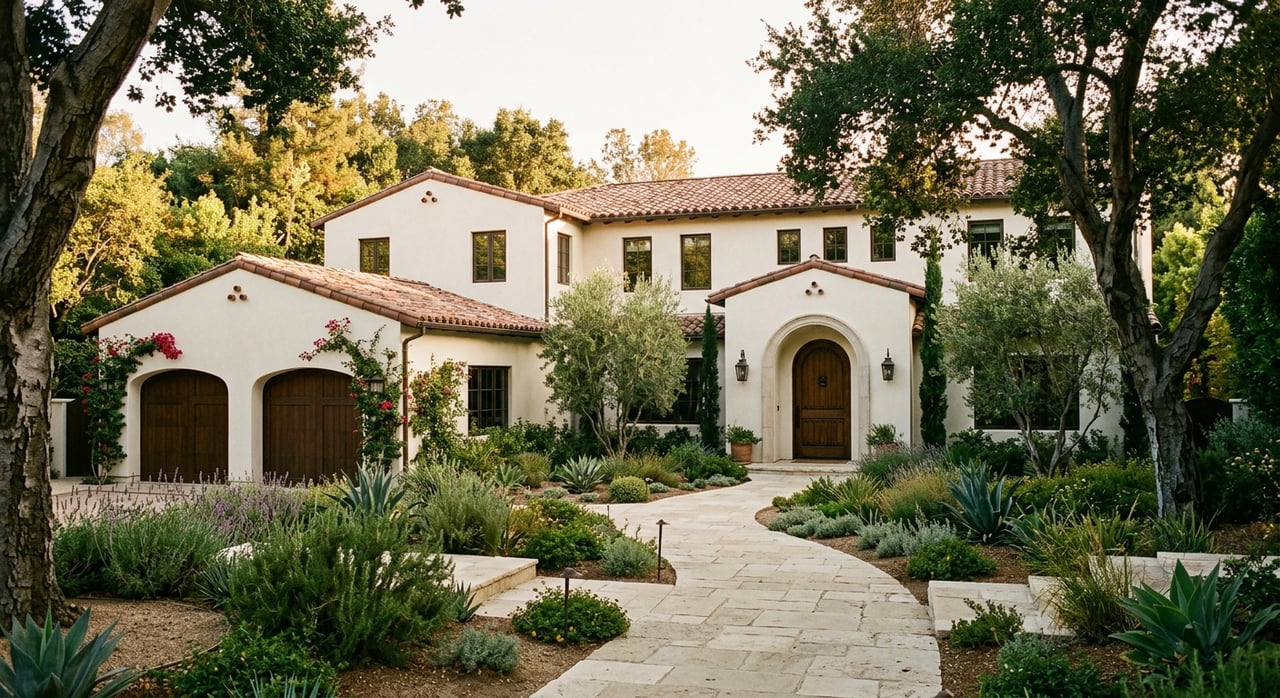
Style attracts specific buyer segments. Preserved period homes in Old Palo Alto and well-kept mid-century properties across the Peninsula can command strong interest when thoughtfully updated. At the same time, buyers may value a prime-location teardown at a discount to a finished home because time, cost, and permit risk must be priced in.
Schools and attendance boundaries
School assignment is a consistent driver for many buyers. Palo Alto Unified School District receives high ratings from independent platforms, which helps explain willingness to pay for certain attendance areas. Always confirm school boundaries for a specific address before you offer. See an independent district profile.
Demand and cash buyers
Wealth flows tied to technology and investment continue to shape upper-tier outcomes, with cash buyers often active at the highest price bands. Local coverage has highlighted how Bay Area homes can sell far above asking in competitive windows, a signal of strong demand for scarce, well-located properties. Read a local demand snapshot.
Reading list prices like a pro
List price is a strategy, not an appraisal. You will often see three approaches:
- Market-test pricing. Slightly below likely value to draw multiple offers and bid the final price up.
- Anchor pricing. Purposefully high to signal exclusivity and create negotiation space, but this can lead to longer days on market.
- Market-value pricing. Set near expected value to attract broad traffic and trade quickly.
Ask your agent for the recent sale-to-list ratio in your target micro-market and how many offers similar listings have received in the last few months. That context will shape your strategy.
How to choose and read comps
When you calibrate value, use a simple, appraiser-style lens:
- Time window. Prioritize closed sales from the last 3 to 6 months in fast markets. Appraisers often use up to 12 months, with time adjustments when needed. See appraisal underwriting guidance.
- Geography. Start on the same block or immediate neighborhood before expanding outward. School attendance areas can be a sensible boundary for many buyers.
- Size and rooms. Aim for comps within about plus or minus 20 percent of living area and similar bed/bath counts. Your agent will adjust for meaningful differences.
- Lot and usability. Note lot size and outdoor usability. Larger, private yards carry clear value in Palo Alto’s R-1 context.
- Condition and permits. Give weight to permitted additions, ADUs, and major systems upgrades. Unpermitted work is a red flag until legalized. Use the city’s parcel reports page to verify.
A typical comparative market analysis uses 3 to 5 sold comps, then layers in active and pending listings to read momentum.
What to expect when you offer
Who you compete with
- Relocating executives and senior managers. Often time-sensitive, sometimes willing to trade higher price for speed.
- Local move-up families. Usually finance their purchase and focus on schools and space.
- Cash and investor buyers. More active in luxury tiers, which can lift ceilings for turnkey, A-location homes.
Offers, contingencies, and strength
In multiple-offer settings, sellers weigh price, contingencies, financing strength, and timing. A slightly lower offer with verified funds and faster, cleaner terms can beat a higher but uncertain one. Waiving or shortening contingencies can help, but it also raises risk. Work with your agent and counsel to balance certainty and protection.
Appraisals in a high-price market
In ultra-high segments, appraisal gaps can occur if recent comps do not fully support bid-up pricing. You can mitigate with larger down payments, appraisal gap coverage, or cash. Appraisers must justify comps by time and location, and older or farther sales require clear explanation. Review appraisal framework basics.
Supply, rules, and why values hold
Palo Alto is built out, and policy context matters. The city’s 2023–2031 Housing Element is certified by the state and plans for significant housing across income bands, but R-1 lot minimums and neighborhood compatibility rules limit how quickly single-family supply can expand. Structural scarcity supports price resilience over time. Read the Housing Element certification update.
ADUs add incremental flexibility. California and Palo Alto policy allow accessory dwelling units subject to rules. Permitted ADUs can increase appeal and potential income, though site specifics and design drive feasibility. They are not a quick fix for single-family scarcity, but they can enhance a property’s utility. See parcel and ADU resources.
Property taxes and carrying costs matter. Under Proposition 13, a home’s assessed value for existing owners grows slowly, but new buyers pay based on purchase price plus local assessments. Many buyers budget using a 1 percent base tax rate plus voter-approved assessments. Confirm parcel-level lines before you offer. Learn how California property tax works.
A simple valuation checklist
Use this quick list when you evaluate a Palo Alto home:
- Neighborhood and block micro-market, plus proximity to retail, Stanford, and Caltrain.
- Lot size, shape, privacy, and outdoor usability.
- Living area, layout, and bed/bath count.
- Permits for additions, ADU, and major systems upgrades.
- Renovation level and true move-in readiness.
- School assignment for the specific address.
- Recent sold comps within 3 to 6 months where possible, then actives and pendings for momentum.
- Offer landscape: number of bidders, sale-to-list trends, and likely terms.
Budget bands and real examples
Think in ranges, not citywide medians:
- High-end historic zones. Old Palo Alto, Crescent Park, and parts of Downtown/Professorville often trade several million above the city median, with medians in certain tranches frequently in the mid 5 million to 8 million plus band.
- Midtown, Barron Park, South Palo Alto. Commonly in the roughly 2.5 million to 4 million band depending on lot, condition, and micro-location.
These are market-observed bands to frame your search, not hard ceilings. Always calibrate with the most recent closed comps. Local reporting periodically highlights which neighborhoods saw the largest price gains and inventory shifts, which helps you time and target your search. Scan a local neighborhood snapshot.
Your next step
If you want clear comp work, calibrated pricing, and a disciplined offer plan tailored to your family’s needs, connect with a local advisor who lives in the micro-markets every day. Let’s connect for a confidential market conversation with David Kelsey. You will get a data-grounded plan, on-the-ground context, and calm negotiation from search to close.
FAQs
What is the current median single-family price in Palo Alto?
- Recent market snapshots place the median sale price around the low 3 million range, with indexed measures of typical value reading somewhat higher; these figures differ because they measure different things.
Why do two nearby Palo Alto homes vary by millions?
- Location within the micro-market, lot size, bed/bath count, finished square footage, renovation and permit history, and school assignment are the usual drivers of large price gaps.
How should I interpret a list price in Palo Alto?
- Treat list price as a strategy: it may be set below market to invite multiple offers, at market to trade quickly, or above market to anchor negotiation; use recent sale-to-list ratios to guide your offer.
How recent should comparable sales be for an offer or appraisal?
- Aim for 3 to 6 months in a fast market and up to 12 months if needed, with time adjustments when older; appraisers prefer close-in geography and similar size and condition.
Do ADUs add value to Palo Alto homes?
- Permitted ADUs can add measurable appeal and flexibility, but site constraints and design matter; verify permits and feasibility with the city’s parcel and planning resources.
How are property taxes calculated for a new Palo Alto purchase?
- New buyers typically pay a base 1 percent of purchase price plus local assessments; confirm the parcel’s specific assessment lines before finalizing your budget.