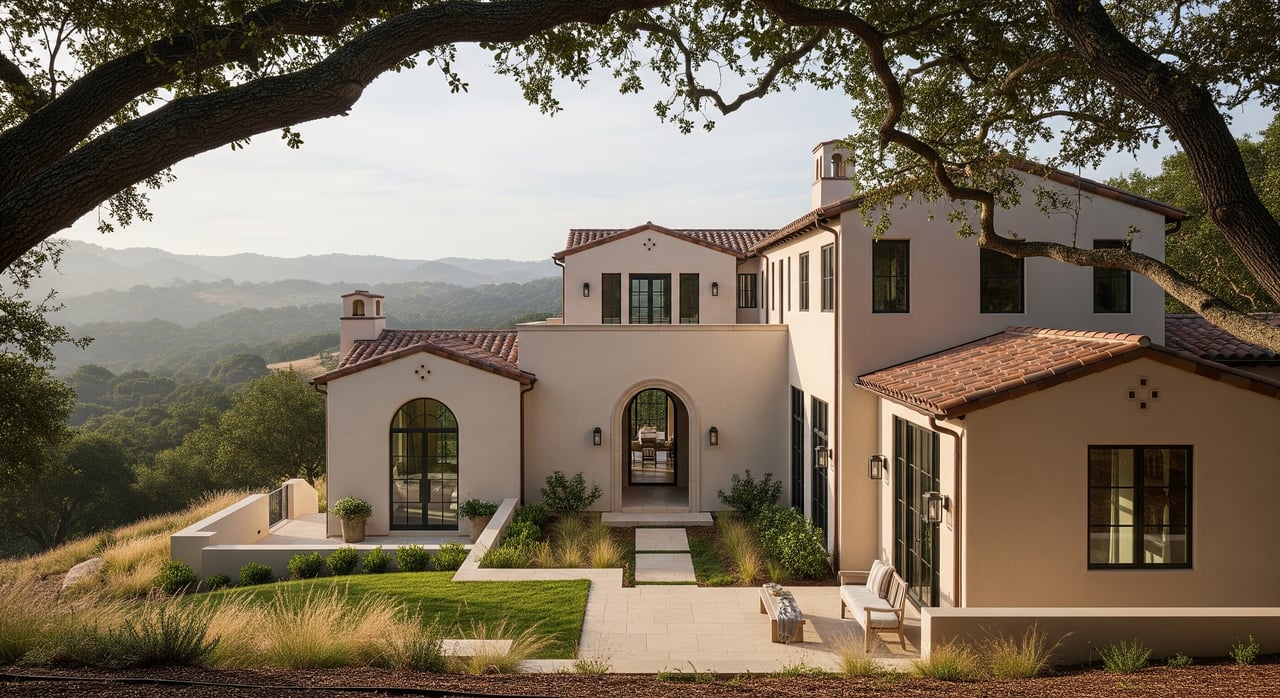
Craving space and quiet without leaving the Peninsula? If you love trails and privacy but still want access to Menlo Park, Palo Alto, and regional airports, Portola Valley may be on your short list. In this guide, you’ll get a clear, grounded look at what rural living here really means, from lot sizes and pricing to commutes, wildfire readiness, and day‑to‑day tradeoffs. Let’s dive in.
What “rural” means in Portola Valley
Landscape and zoning
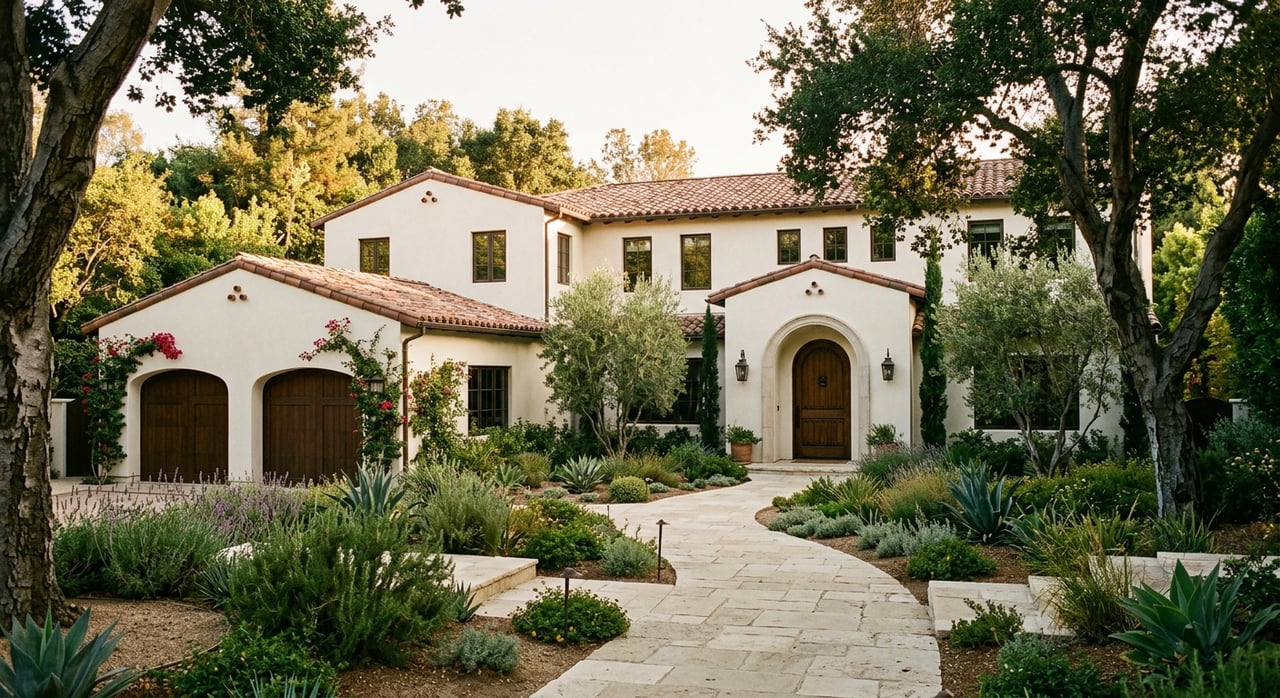
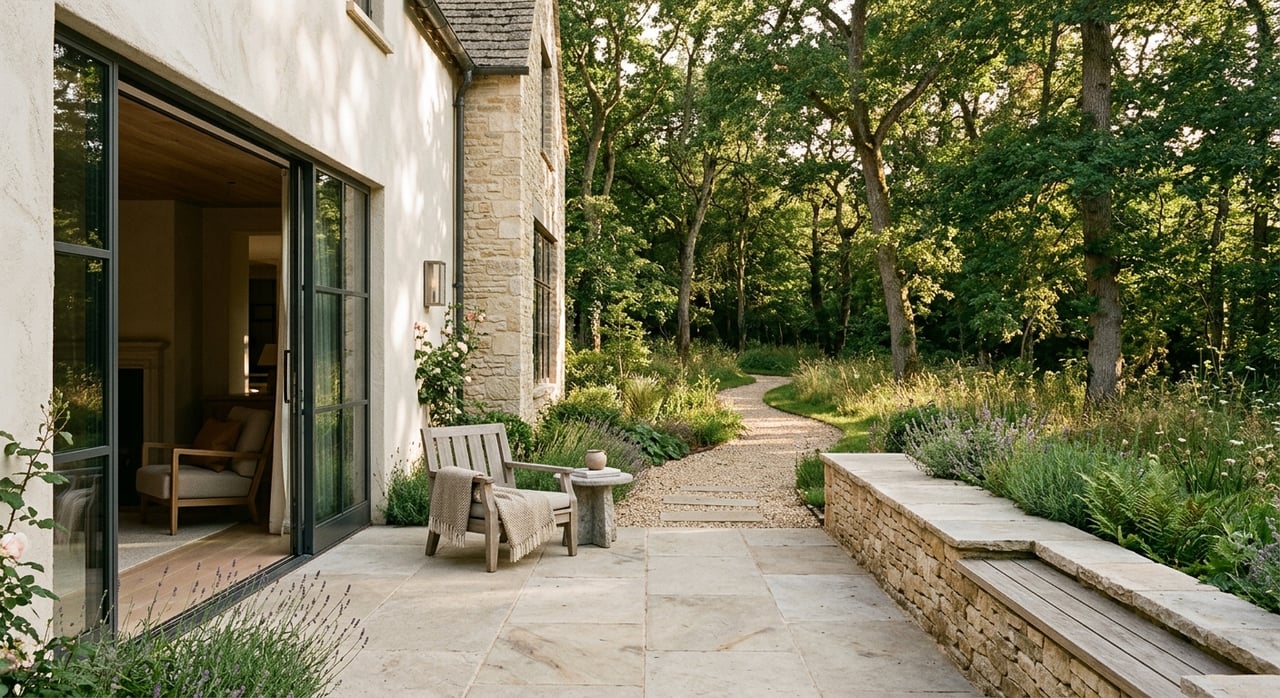
Portola Valley covers about 9.1 square miles on the eastern slopes of the Santa Cruz Mountains and is intentionally planned for low‑intensity living with protected open space and ridgelines. The Town’s General Plan prioritizes very low residential density, with many areas requiring one acre or more per dwelling unit. That framework creates a landscape of wooded hills, open meadows, and widely spaced homes rather than compact subdivisions. You can confirm the town’s scale and planning approach through the official demographics page and the General Plan.
- Town overview and land area: Portola Valley demographics
- Planning goals and minimum parcel sizes: General Plan, Land Use
Daily conveniences
Expect a small, local commercial footprint rather than a full downtown district. The Town Center area and nearby nodes include essentials like Roberts Market and a few services, but restaurants and retail are limited in-town. Many residents plan errands to larger shopping and dining areas in Menlo Park, Palo Alto, or Redwood City. See the town’s list of local businesses for a feel of what’s nearby.
Homes and pricing
Lot sizes and types
Housing is overwhelmingly detached single‑family, and many parcels are one acre or larger. Multifamily and rental options are limited compared with nearby cities. If you want a small‑lot, low‑maintenance footprint, you will find fewer choices here.
Pricing snapshots and volatility
Portola Valley is a low‑volume, luxury market. In late 2025, several public snapshots placed typical home values in the 4 to 5 million dollar range, with estimates around 4.0 million for some aggregated home‑value indexes. Because only a handful of homes sell in a given month, a single large estate sale can move the median noticeably. When you get serious about a property, plan to review up‑to‑date MLS data and recent comparable sales for that specific micro‑area and timeframe.
ADUs and rentals
Accessory Dwelling Units are allowed, but septic capacity is a frequent constraint on larger lots that are not on sewer. The Town advises checking septic or sewer capacity early, especially if you plan an ADU or bedroom additions. Rentals exist but are relatively scarce compared with Peninsula cities that have more multifamily housing.
- ADU guidance and septic considerations: Town ADU requirements
Lifestyle and recreation
Trails and preserves
If open space is your priority, this is where Portola Valley shines. Windy Hill Open Space Preserve offers panoramic ridge views, hiking, and multi‑use trails, and the town also maintains the Coal Mine Ridge trail network. Together with other Midpen preserves, these areas define the daily outdoor rhythm for many residents.
- Trail access and overview: Windy Hill Open Space Preserve
Equestrian and outdoor life
Equestrian facilities and horse‑friendly properties are part of the local lifestyle. You will see trailheads, barns, and open pastures woven into neighborhoods. For a snapshot of horse‑related services and other amenities, browse the town’s local businesses directory.
Getting around
Driving first
Portola Valley does not have a Caltrain station. Most commuters drive daily or drive to nearby Palo Alto or Menlo Park stations to connect with rail. Census profiles also reflect a meaningful share of residents who work from home, which helps explain the modest average travel times reported for the community.
- Nearest rail access: Caltrain stations list
- Community profile and commute patterns: Census Reporter place profile
Regional access
The town sits west of I‑280, with SFO and SJC as the primary airports for most residents. Drive times vary widely with traffic and exact origin, so test your routes during peak hours if commuting to San Francisco, the South Bay, or the East Bay.
Risk, insurance, and upkeep
Wildfire readiness
Portola Valley sits in the wildland‑urban interface, and state and county maps identify areas of high or very high fire hazard severity nearby. The Woodside Fire Protection District and the Town run defensible‑space, chipping, and home‑hardening programs that most homeowners engage with. Insurance availability and pricing in California’s higher‑risk hillside communities have evolved in recent years, so verify current underwriting for any specific parcel early in your process.
- Hazard mapping and guidance: San Mateo County fire severity zones
- Local fire services and programs: Woodside Fire Protection District
- Insurance context in high‑risk areas: Fortune overview of statewide trends
Septic, utilities, and maintenance
Many properties rely on septic systems, which adds inspection and maintenance to your ownership plan. If you are considering an ADU or expansion, confirm whether the property is on septic or sewer and what improvements are needed. Larger lots also mean more vegetation management and groundskeeping, especially in fire season.
Is Portola Valley a fit for you?
Use this quick checklist to pressure‑test your fit:
- You value privacy, open space, and trail access more than short walks to restaurants and retail.
- You are comfortable planning most trips by car, with optional drive‑and‑rail through Palo Alto or Menlo Park.
- You prefer a detached home on a larger lot and accept limited small‑lot or multifamily options.
- You are prepared for wildfire mitigation, insurance checks, and regular vegetation management.
- You will verify septic or sewer capacity before planning ADUs or bedroom additions.
- You are comfortable with a luxury market where a few big sales can swing monthly medians and comps are sparse.
Ready to explore specific streets, micro‑neighborhoods, and recent sales that match your goals? For tailored guidance and a calm, data‑driven plan, connect with David Kelsey. Let’s connect for a confidential market conversation.
FAQs
What makes Portola Valley feel “rural” compared with nearby cities?
- Large minimum lot sizes, extensive open space, and a small commercial footprint create low‑density neighborhoods with trails and ridgeline views rather than dense downtown blocks. See the town’s General Plan for details.
Does Portola Valley have its own Caltrain station for commuters?
- No. Most residents drive or drive to nearby Palo Alto or Menlo Park to catch Caltrain, as confirmed by the Caltrain station list.
How common are ADUs in Portola Valley and what should I check?
- ADUs are allowed, but septic capacity is often a limiting factor; the Town advises early verification of septic or sewer for any ADU plan through its ADU guidance.
What wildfire rules and resources should I expect as a homeowner?
- Expect defensible‑space requirements, home‑hardening guidance, and seasonal programs run with the Woodside Fire Protection District and hazard mapping from San Mateo County.
How expensive are homes in Portola Valley today?
- Late‑2025 market snapshots from public sources placed typical home values in the multi‑million range, often around 4 to 5 million dollars, but low monthly sales volume can make medians swing sharply. Always review current MLS comps for your specific area and time frame.