Want to sell your Menlo Park home for top dollar without fronting renovation costs or managing contractors? In a market where buyers expect turnkey presentation and fast execution, small updates can shift outcomes in a big way. This guide shows how Compass Concierge can fund and streamline high‑impact pre‑sale work, which projects typically return the most in Menlo Park, and what to confirm before you enroll. You will leave with a clear plan, realistic budgets, and the right questions to ask. Let’s dive in.
How Compass Concierge works
Compass Concierge advances or pays for approved pre‑listing improvements so you do not pay upfront. Eligible services generally include staging, painting, landscaping, flooring, light kitchen or bath updates, and minor systems repairs. Compass advertises zero due until closing, with repayment at sale, at listing termination, or after the program term, and notes that state‑specific terms, fees or interest may apply. Review the current Compass Concierge program overview and confirm details locally before you sign.
Behind the scenes, Compass finances the program through a dedicated credit facility and underwrites eligibility, which means availability and terms can vary by market and seller profile. Corporate filings describe receivables management, credit allowances, and an historical average project size in the low‑to‑mid five figures. You can review those program mechanics in Compass’s corporate disclosures and then confirm consumer terms with your agent.
Agents typically coordinate vetted vendors, scheduling, and quality control so the process feels white‑glove. Ask whether your project will use Compass‑approved vendors or your preferred contractors, who signs change orders, and how timelines will be managed.
Why this matters in Menlo Park
Menlo Park is a high‑value, high‑expectation market. Recent public snapshots show a typical home value near $2.7 million as of January 31, 2026, with a separate February 2026 median sale price around $2,165,000 depending on data source and property mix. These figures vary by provider and timeframe, but they reflect a market where finish level and presentation influence buyer urgency.
Household incomes are also high, with the city’s median around $210,000 per recent U.S. Census data. In practice, that means buyers often pay premiums for move‑in‑ready homes with modern kitchens, polished curb appeal, and resolved maintenance. A focused pre‑sale plan can shorten market time and improve negotiation leverage.
High‑ROI projects to prioritize
Curb appeal that converts
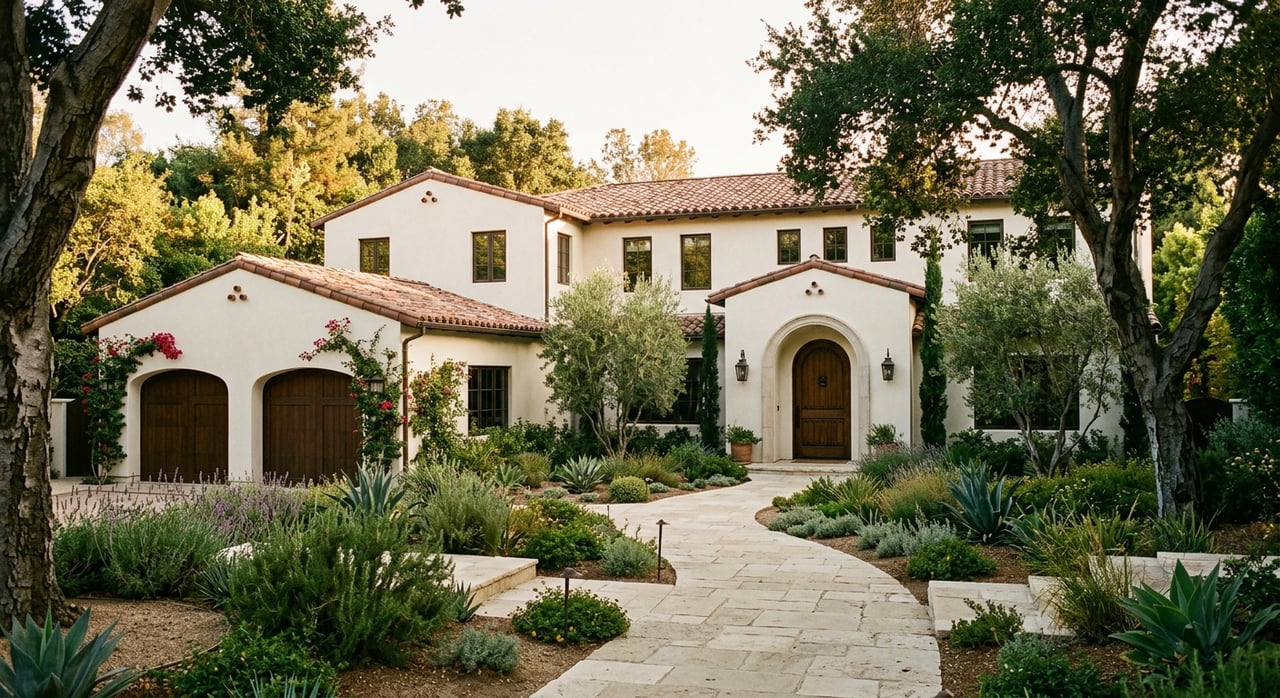
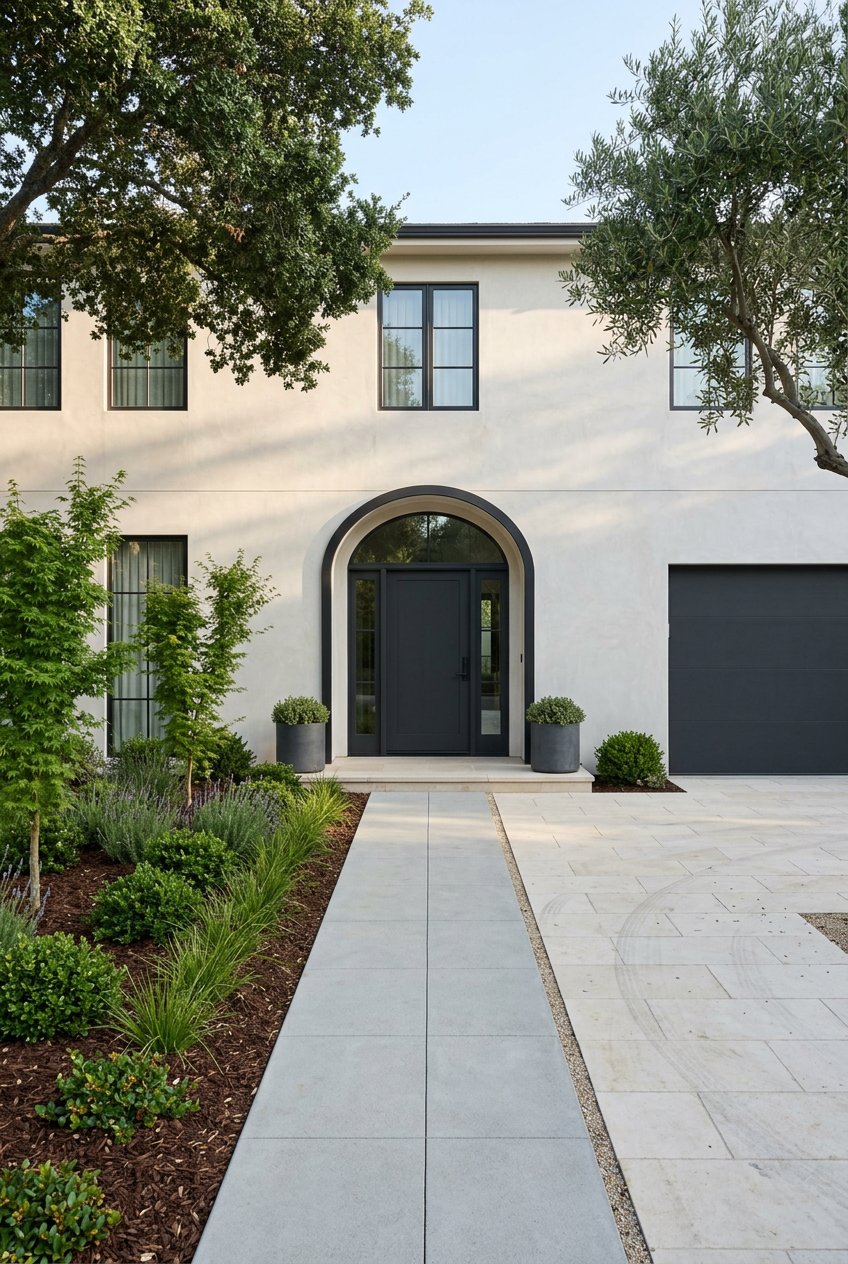
First impressions drive traffic and perceived value. The 2025 Cost vs. Value Report ranks garage‑door and entry‑door replacements among the top returns, often recouping 2x or more of cost nationally. In Menlo Park, these quick installs, paired with tidy landscaping and exterior touchups, can reframe how buyers experience your listing. See project rankings in Zonda’s 2025 Cost vs. Value Report.
Kitchen refresh, not a gut
A minor midrange kitchen remodel, such as painting or refacing cabinets, swapping counters, updating hardware and a few appliances, shows strong national ROI. Zonda reports a typical job cost near $28,000 with more than 100 percent of cost recouped in 2025 national averages, with regional variance. In Menlo Park, choose finishes that align with local comps, then keep scope tight for speed and payback.
Paint, lighting, floors and staging
Fresh, neutral interior paint, updated lighting and clean flooring create a cohesive, move‑in feel at a relatively low cost. Staging is the force multiplier. NAR’s 2025 report shows a median spend of $1,500 when using a professional staging service, and agents report reduced time on market and small percentage increases in offers for some properties. Review the findings in NAR’s 2025 Profile of Home Staging.
Solve systems and inspections
Concierge often helps coordinate and fund minor systems repairs, roof or HVAC fixes, and sewer‑lateral inspections or remediation. Tackling these items in advance reduces buyer uncertainty and lender friction, which can protect your timeline and net proceeds. See covered categories in the Compass Concierge overview.
Budgets and timelines you can expect
- Cosmetic package: paint, staging, deep clean typically ranges from $5,000 to $25,000 depending on size and finish. NAR’s median professional staging spend is $1,500, while paint scales with square footage.
- Curb package: garage door, entry door, select landscaping, and exterior touchups often land in the $5,000 to $30,000 range, with garage‑door swaps offering outsized curb appeal.
- Minor kitchen refresh: plan for roughly $25,000 to $60,000, adjusting up for luxury finishes common in Menlo Park. The national benchmark job cost is about $28,000, but local scope and materials drive variance.
- Systems and repairs: roof, HVAC or sewer work varies widely. Address known items to reduce risk during escrow.
Timelines are typically measured in weeks, not months. Staging and cleaning take a few days to 2 weeks. Paint and small cosmetic work often fit into a similar window. A minor kitchen refresh commonly takes 3 to 6 weeks from kickoff to photography, depending on scope and any permits. Landscaping updates can run 1 to 4 weeks for modest projects, per typical vendor ranges like those summarized by HomeAdvisor. Build in contractor lead times and a short buffer before list.
Permits and compliance in Menlo Park
Cosmetic maintenance like interior paint or basic landscaping usually does not require a building permit. Structural changes, roofing, electrical or plumbing alterations, panel upgrades, additions, and many systems replacements do. Menlo Park’s Building Division provides plan review, online submittals, and inspection guidance. Before you authorize work, confirm permit triggers and current standards, including any local CALGreen or electrical pre‑wiring requirements that may affect alterations. Start with the city’s Building Division page to clarify your scope.
Sewer laterals are a Bay Area nuance. While specific rules differ by municipality, many buyers and lenders expect inspections or evidence of condition. Concierge lists sewer‑lateral inspection and remediation among covered services, which can help address this item ahead of listing.
Eligibility, terms and risks to confirm
- Not all sellers qualify. Compass underwrites Concierge advances based on factors like equity, loan‑to‑list‑price, and encumbrances. Corporate reporting also tracks credit allowances on receivables. Review the financing context in Compass’s corporate filings and prequalify with your agent.
- Repayment timing matters. Repayment is due at sale, if the listing terminates, or at the end of the program term, which is commonly 12 months. Some options may involve third‑party lenders, and state‑specific fees or interest can apply. Confirm exact repayment triggers and any costs in the program overview and your loan agreement.
- Affiliated business disclosures. Concierge materials may reference affiliated providers. You should receive clear disclosures and always have the choice of providers.
Example: a small makeover, big impact
Assume a Menlo Park home likely to trade near $3,000,000 with light updates. You invest $30,000 through Concierge into whole‑house paint, staging, lighting swaps, and a cabinet‑paint plus counter refresh. NAR’s agent surveys show staging can lift offers by low single‑digit percentages for some properties, so assume a conservative 2 percent uplift from combined presentation and refresh. That would be $60,000, leaving a $30,000 gross gain before any financing costs or interest that may apply under your state’s Concierge terms. Timelines would likely fall within 3 to 6 weeks.
This is illustrative only. Your actual uplift should be derived from a current CMA of nearby sales closed in the last 90 days that match your home’s size and micro‑neighborhood. The point is to pair a modest, fast scope with local comps that reward presentation.
What to ask before you enroll
- What is the itemized scope, budget, and timeline based on vendor quotes?
- Who manages scheduling, site access, change orders, and quality control?
- How and when is repayment collected, and what are the repayment triggers?
- Which, if any, permits or inspections are required for this scope?
- Are any vendors or escrow services affiliated, and what are my alternatives?
Make it seamless with a local pro
You should not have to juggle bids, permits, and photography while aiming for a premium result. A disciplined, hands‑on project manager can translate market data into the right scope, then run the process to closing. If you are considering Concierge, let’s design the plan, confirm eligibility, and align it to local comps and the City’s permitting rules. Let’s connect for a confidential market conversation with David Kelsey.
FAQs
How does Compass Concierge help Menlo Park sellers?
- It advances approved pre‑sale costs like staging, paint, and light repairs with repayment at closing, listing termination, or after the program term, subject to state‑specific terms.
Which pre‑sale updates usually pay back best?
- National data highlights curb‑appeal upgrades, minor kitchen refreshes, paint, and staging as top performers, with garage and entry doors ranking highest for cost recoup.
Do I need permits for pre‑sale work in Menlo Park?
- Cosmetic updates often do not, but structural, roofing, electrical, plumbing, and panel changes usually do; confirm scope with the City’s Building Division before work.
How long do Concierge projects take before listing?
- Light cosmetic and staging often wrap in 1 to 2 weeks, while a minor kitchen refresh can take 3 to 6 weeks; build in lead times and a short buffer.
What are the key Concierge risks or costs?
- Not all sellers qualify, and repayment timing is strict; some options may include fees or interest depending on your state and product, so review the loan agreement.
Does Concierge cover sewer‑lateral inspections or fixes?
- Compass lists sewer‑lateral inspection and remediation among covered categories, which helps address a common Bay Area due‑diligence item ahead of listing.