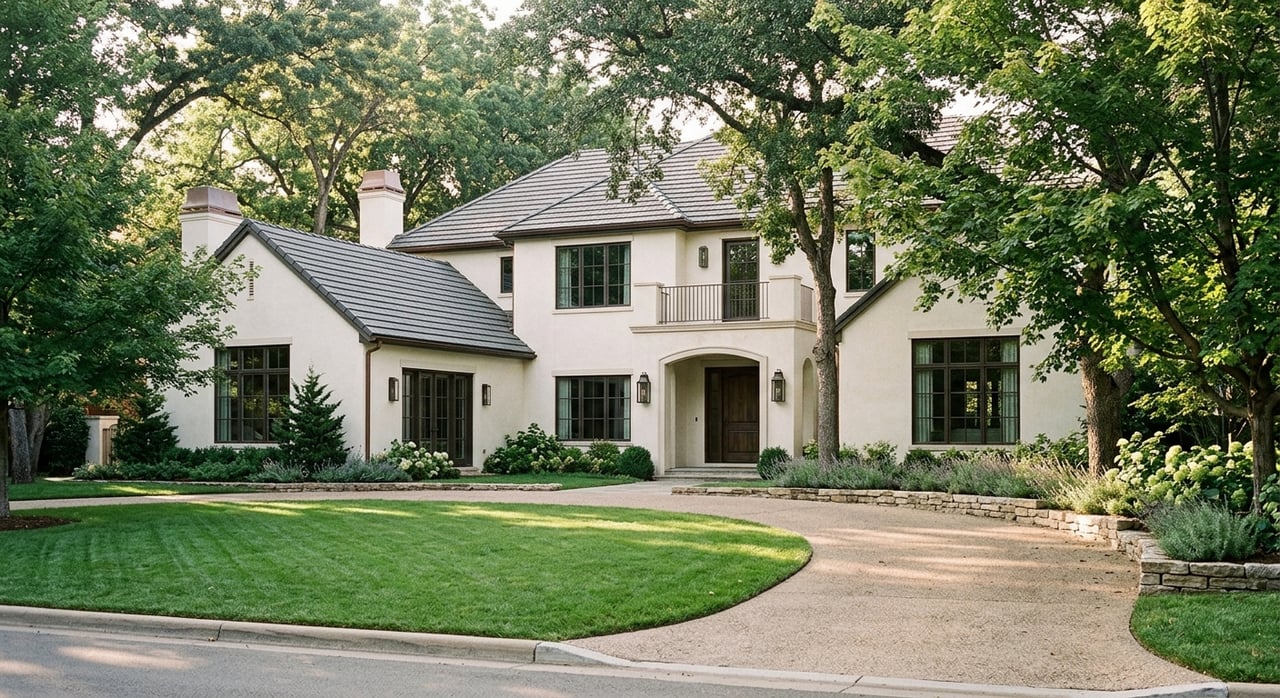
If you are considering Atherton, you are probably trying to answer a practical question: what does it actually feel like to live there day to day? Beyond the headlines and home prices, everyday life in Atherton is defined by quiet residential streets, large lots, mature trees, and routines that often revolve around home, school, and nearby Peninsula amenities. This guide will help you picture the rhythm of daily life so you can decide whether Atherton fits the way you want to live. Let’s dive in.
Atherton at a glance
Atherton is a very small town by Peninsula standards, with an estimated 7,022 residents in 2024 across 5.02 square miles according to U.S. Census QuickFacts. The same source reports 87.6% owner-occupied housing, a median owner-occupied home value above $2,000,000, and a population that includes both younger households and older residents.
That mix matters because Atherton does not feel built around one single stage of life. Instead, it tends to feel like a place where families, long-time homeowners, and empty nesters all share an interest in privacy, space, and a quieter home environment.
A residential feel comes first
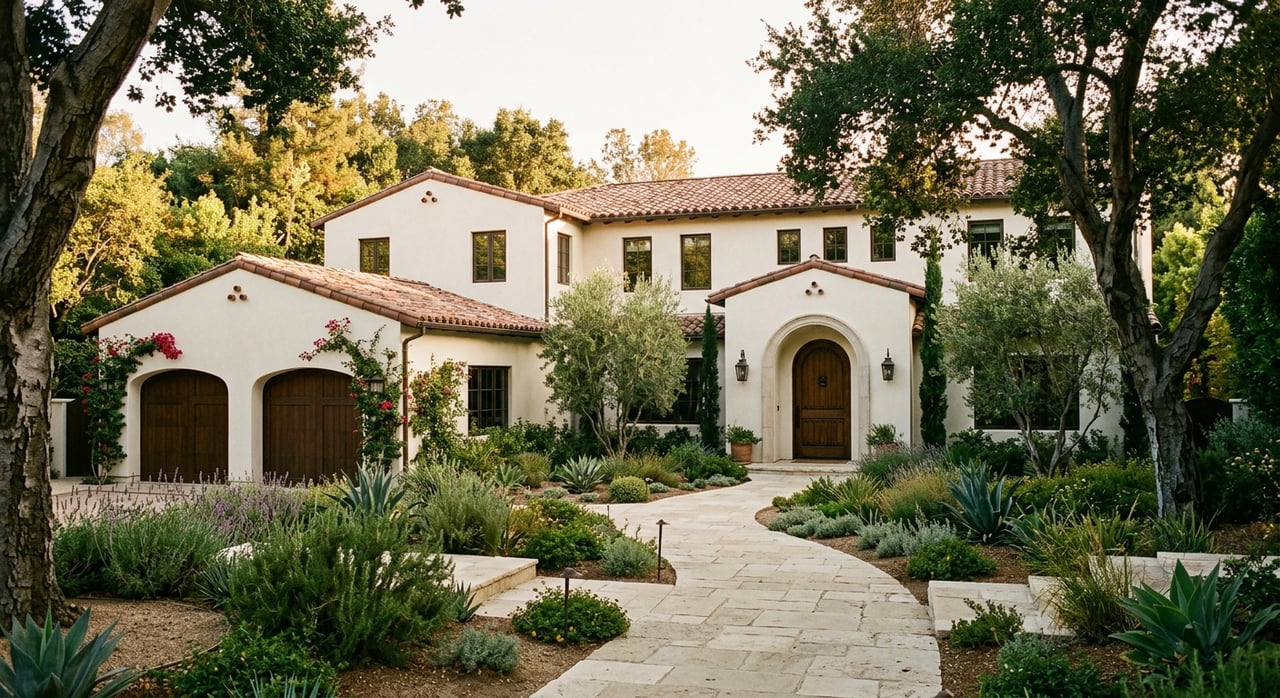
One of the clearest things about Atherton is that it is overwhelmingly residential. The town’s Housing page describes Atherton’s land use as mainly single-family residential and institutional, with an emphasis on protecting open space, heritage trees, and its small-town character.
The town’s draft 2023 to 2031 Housing Element adds important context. It notes that Atherton is characterized by large-lot residential land use, with minimum lot sizes ranging from one-third acre to one acre, and that there is no commercial or industrial land use in town.
In everyday terms, that usually means your experience is shaped more by homes, landscaping, and tree canopy than by storefronts or busy mixed-use blocks. Atherton tends to function as a home base rather than a town where most people do errands on foot within a central business district.
Large lots and mature trees shape daily life
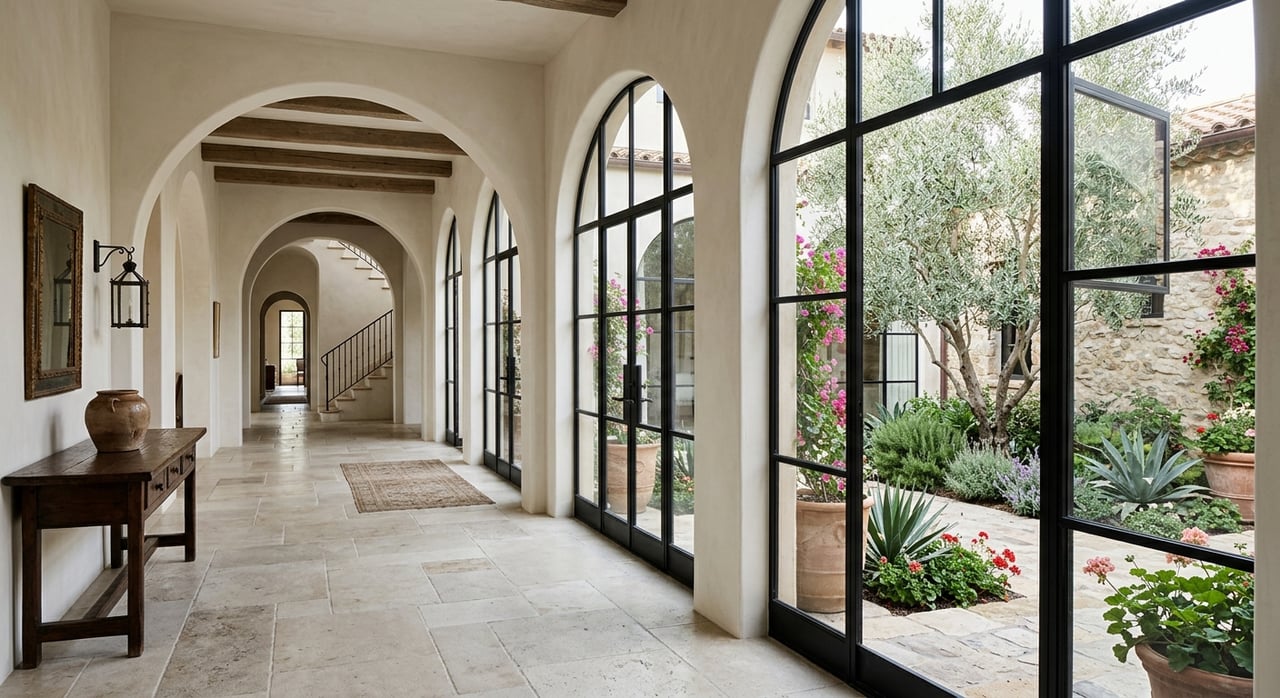
Atherton’s physical setting has a strong influence on how it feels to live there. Large parcels, setbacks, and extensive tree cover create a sense of separation between properties that many buyers notice right away.
That tree presence is not accidental. The town’s Arborist Services and Tree Protection page explains that Atherton enforces ordinances related to heritage trees and landscape screening, and the Tree Committee supports the preservation of a healthy urban forest. A December 2024 town newsletter also notes Atherton’s recognition as an Official Tree City for 34 years.
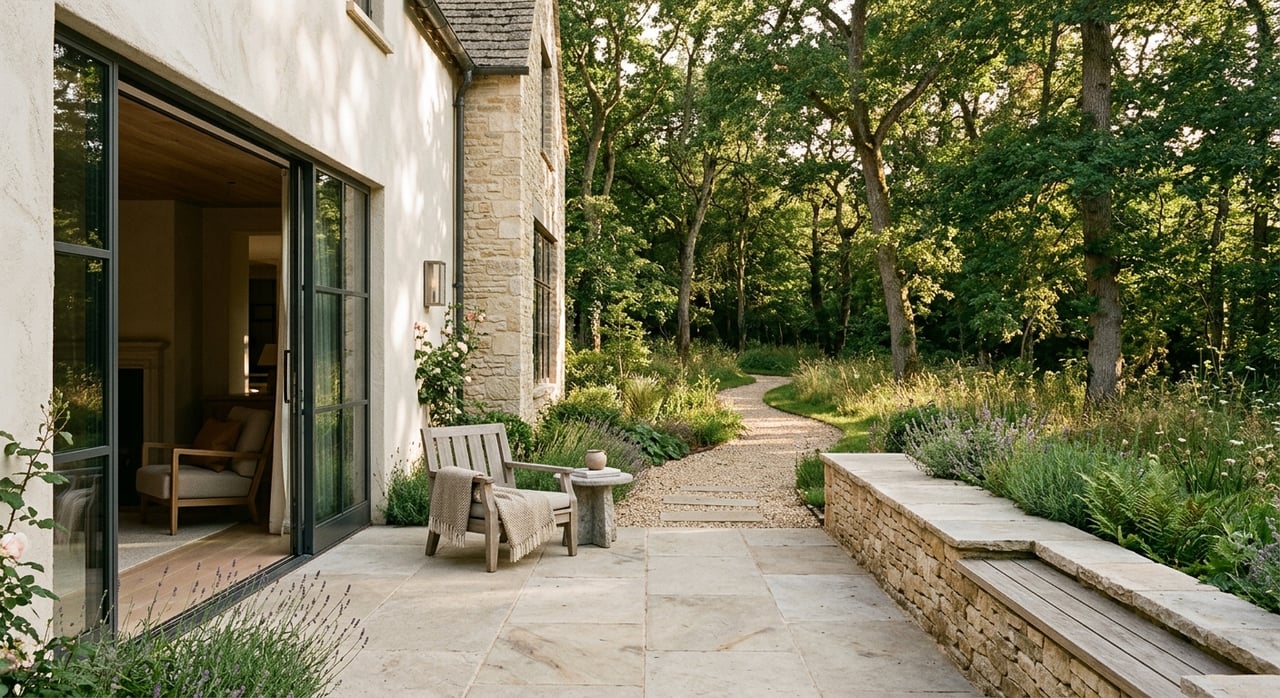
For you as a resident, that can translate into a more sheltered, green, and private feel on a daily basis. Streets often feel quieter and more shaded, and the landscaping is part of the town’s identity rather than just a backdrop.
The town is compact, but not retail-centered
Atherton is compact in geography even though it does not have a traditional downtown. A 2025 town request for proposals document describes Atherton as roughly 4.5 miles long and 1.5 miles wide, stretching from just west of US 101 to I-280.
That shape supports a lifestyle that feels neighborhood-based. You can get across town fairly easily, but the town itself is not organized around a central commercial core where you would grab coffee, run errands, and linger in shops.
So when people ask whether Atherton is walkable, the more accurate answer is that it is walkable for neighborhood walks, park visits, and access to some schools or clubs, but not in the way a retail downtown is walkable.
Weekdays often revolve around schools
If you spend time in Atherton during the week, school activity is one of the biggest parts of the local rhythm. The Atherton Police Department’s About Us page says the town’s population increases sharply during weekdays because of the nine private and public schools within town limits.
The concentration of campuses helps explain why some periods of the day feel notably busier than others. School arrivals, dismissal windows, sports, and after-school programs can create a clear pattern in traffic and local activity, even though the town is otherwise very residential.
For many households, that means weekday life is structured less around in-town errands and more around schedules. If you are raising school-age children, that rhythm may feel familiar and convenient. If you are not, it is still useful to know that the quietest atmosphere can shift during school commute windows.
Public school access in Atherton
Atherton is served in part by the Menlo Park City School District, which says it serves parts of Menlo Park and Atherton and has about 2,700 preschool through 8th grade students across five schools. The town’s Schools page lists Laurel Elementary and Encinal Elementary in Atherton.
For high school, the Sequoia Union High School District serves Atherton and nearby Peninsula communities, and the town says all of Atherton is zoned for Menlo-Atherton High School. These details are useful if you are trying to understand how school logistics may fit into daily life.
Private schools and campus presence
Atherton also has a notable number of private and higher education campuses relative to its size. The town’s schools page lists Sacred Heart Schools, Menlo School, and Menlo College in Atherton.
That concentration contributes to the town’s weekday energy. Even if your household is not directly tied to one of these campuses, their presence still shapes traffic patterns, activity levels, and the overall feel of weekday mornings and afternoons.
Recreation centers on park and club life
Because Atherton does not have a commercial downtown, recreation and social life often center on parks, clubs, and civic events. The town’s 2025 RFP describes Holbrook-Palmer Park as Atherton’s only recreation site and notes that it spans 22 acres with a ballfield, tennis courts, playground, gardens, and walking paths.
That makes Holbrook-Palmer Park an important part of local daily life. It is the kind of place where residents can walk, play, attend events, or gather casually without needing a larger urban setting.
The town’s rentals page reference within the RFP also notes that small outdoor gatherings of 12 people or fewer do not require a day-use permit, while larger family gatherings and picnics can be permitted. That supports the park’s role as both a practical and social space.
Tennis, pickleball, and outdoor routines
For many residents, recreation in Atherton is low-key and outdoors. The town’s Tennis and Other Activities page says Holbrook-Palmer Park includes six tennis courts, including one clay court and one dual-use pickleball court.
That kind of amenity mix fits Atherton’s broader lifestyle. Instead of a dense entertainment district, you get spaces for regular outdoor routines, lessons, informal games, and neighborhood use.
Clubs and organized social life
Another local lifestyle feature is club-based recreation. The Menlo Circus Club describes itself as a family club for social and recreational purposes with equestrian, fitness, and polo programming.
For some buyers, that is a meaningful part of the Atherton lifestyle picture. Community life here may revolve more around private clubs, schools, and parks than around bustling commercial blocks.
Nearby outdoor options add flexibility
Atherton residents also benefit from nearby outdoor destinations beyond town limits. In Menlo Park, Bedwell Bayfront Park includes a 2.3-mile perimeter trail that is part of the San Francisco Bay Trail and is used for hiking, running, bicycling, bird watching, kite flying, and photography.
That nearby access broadens your day-to-day options. You can enjoy Atherton’s quieter residential setting while still reaching waterfront trails and open-air recreation within a short drive.
Errands and dining usually happen nearby
One of the most important practical points about Atherton is that many errands, meals, and outings happen outside town. Because there is no commercial core, residents typically look to neighboring cities for shopping, restaurants, and entertainment.
For everyday needs, Downtown Menlo Park offers eateries, shops, outdoor dining, convenience shopping, specialty purchases, a Sunday farmers market, and seasonal events. That makes Menlo Park a natural extension of daily life for many Atherton residents.
For broader dining and entertainment, Downtown Redwood City serves as a larger regional draw. The city describes it as the entertainment center of the Peninsula, with a wide range of restaurants and easy train access.
If you are trying to imagine the lifestyle, it helps to think of Atherton as a calm residential base with quick access to neighboring downtowns, not as a place where you would expect most of your social life and errands to happen within town boundaries.
Is Atherton a fit for your lifestyle?
Atherton tends to appeal to people who value privacy, space, and a lower-intensity residential setting. If you want large lots, mature landscaping, school access, park amenities, and nearby dining without living directly in a commercial district, the town offers a very specific kind of Peninsula lifestyle.
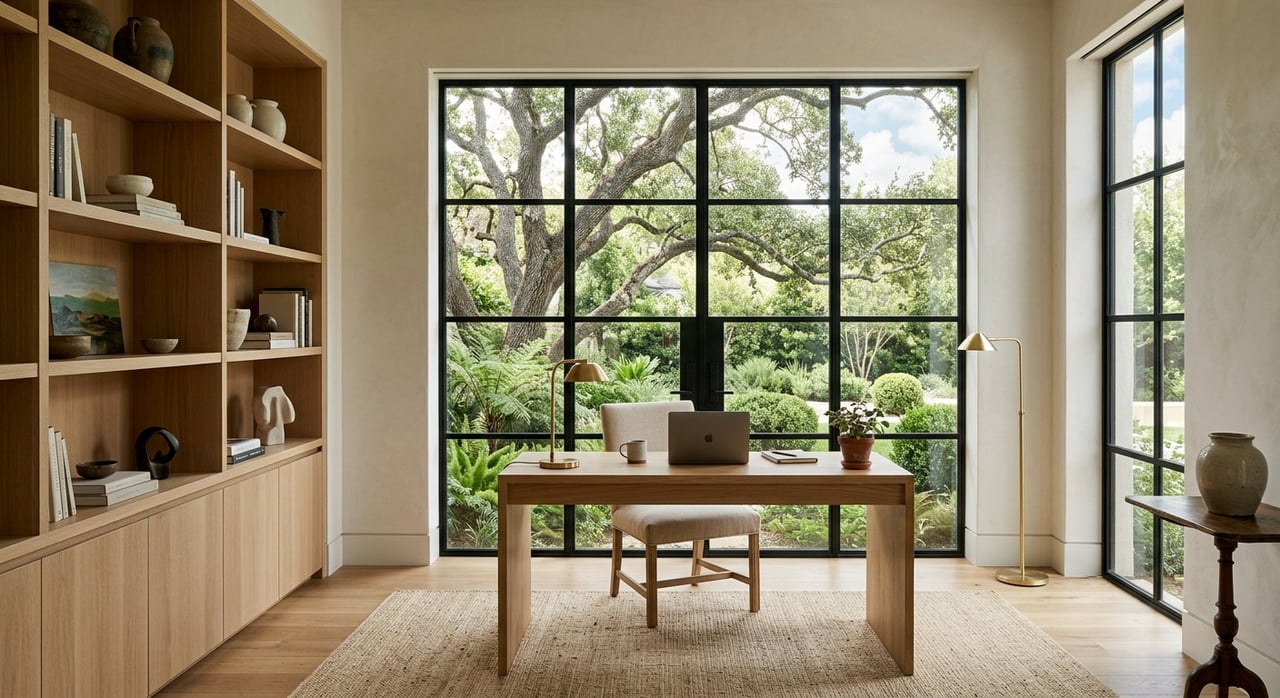
It can work well for families whose routines center on school schedules, outdoor recreation, and home life. It can also appeal to empty nesters or downsizers who still want greenery, quiet streets, and access to dining and activities in Menlo Park or Redwood City.
Census QuickFacts reports a mean travel time to work of 23.2 minutes in Atherton, which also fits the broader Peninsula pattern of living in a residential community while staying connected to nearby employment and activity centers.
If you are weighing Atherton against nearby towns, the biggest distinction is often this: Atherton offers residential quiet plus access. That combination is what shapes everyday life here more than anything else.
If you are considering a move to Atherton or planning to sell a home in this market, working with a local advisor can help you evaluate not just the property, but the lifestyle fit behind it. For a confidential market conversation, connect with David Kelsey.
FAQs
What does everyday life feel like in Atherton?
- Everyday life in Atherton tends to feel quiet, residential, and home-centered, with large lots, mature trees, school-related weekday activity, and nearby access to dining and shopping in Menlo Park and Redwood City.
Is Atherton walkable for daily errands?
- Atherton is generally better suited for neighborhood walks, park use, and access to some schools or clubs than for walkable retail errands, since the town does not have a commercial downtown.
Is Atherton a good fit for families?
- Atherton can be a strong fit for families who value access to local schools, park amenities, outdoor recreation, and a quieter residential setting.
Is Atherton a good fit for empty nesters?
- Atherton may appeal to empty nesters who want privacy, tree-lined surroundings, club or tennis access, and convenient access to nearby restaurants and entertainment without living in a busier commercial area.
Where do Atherton residents usually go for shopping and dining?
- Many Atherton residents head to Downtown Menlo Park for everyday shopping and dining and to Downtown Redwood City for a broader mix of restaurants and entertainment.
What makes Atherton different from nearby Peninsula towns?
- Atherton stands out for its large-lot residential pattern, strong tree protection, lack of commercial land use, and overall emphasis on a quiet home environment with nearby access to other Peninsula amenities.