Selling in Portola Valley is not just about putting a home on the market. It is about presenting the house and the land as one story, while staying thoughtful about timing, disclosures, and town rules that can shape what you do before launch. If you are planning a sale here, a clear step-by-step approach can help you protect value, avoid delays, and make stronger decisions from the first walkthrough to closing. Let’s dive in.
Why a Portola Valley sale needs a tailored plan
Portola Valley is a high-value, low-inventory market where buyers tend to look closely at both the home and its setting. A recent Redfin snapshot reported a median sale price of $6.5 million and 52 days on market, which points to a market where preparation and positioning matter.
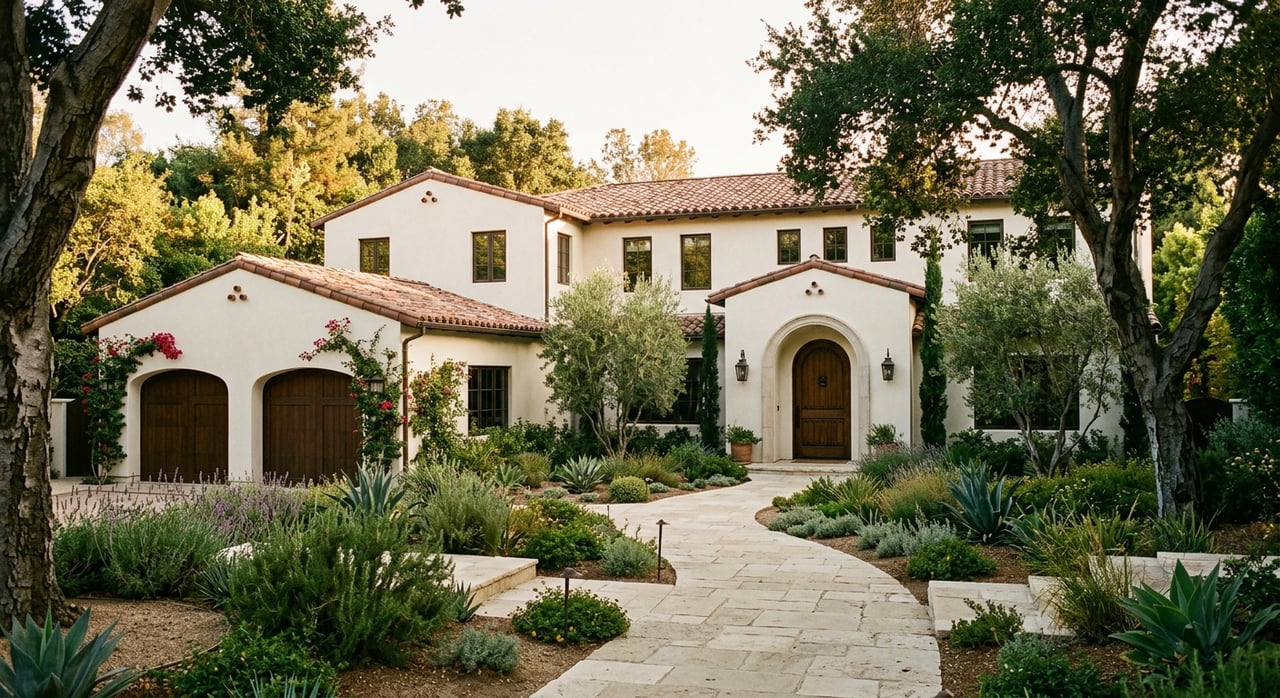
That local context matters because Portola Valley has a strong landscape-first identity. The town’s planning guidance emphasizes preserving natural beauty, open space, terrain, and vegetation, and its architectural review process is designed to avoid indiscriminate clearing, excessive grading, and destruction of trees and shrubbery.
In practical terms, that means your sale strategy should look beyond paint colors and staging. Privacy, mature landscaping, outdoor living, trail adjacency, and views may all be part of how buyers evaluate your property.
Start with a full first walkthrough
The first walkthrough should do much more than suggest an asking price. It should help you identify visible condition issues, likely disclosure items, and any site-related features that could affect prep work before the home goes live.
For most California sales of 1-4 unit homes, the Transfer Disclosure Statement plays an important role. The California Department of Real Estate says the TDS is meant to disclose property condition and is not a warranty or a substitute for inspections.
In Portola Valley, the walkthrough should also focus on exterior elements. Trees, grading, drainage, decks, and other site features can affect both marketing and compliance, so it helps to flag those items early rather than treat them as last-minute details.
What to review during the initial visit
- Visible deferred maintenance inside and outside the home
- Features that may require disclosure
- Landscaping condition and curb appeal
- Views, privacy, and usable outdoor areas
- Any trail, easement, or open-space relationship
- Existing decks, drainage patterns, grading, and tree conditions
- Potential pre-sale work that could trigger town review
A disciplined early review can save time later. It also helps you decide which improvements are worth doing and which ones may create more complexity than value.
Plan pre-sale improvements carefully
In a market like Portola Valley, pre-sale improvements should be selective and well managed. Buyers expect thoughtful presentation, but not every project improves your net result, especially if it introduces permit risk or timeline uncertainty.
Town guidance strongly favors landscaping that feels natural and site-appropriate. Portola Valley encourages native, simple, natural-looking landscaping that blends with the site, and it prohibits planting in trail or conservation easements.
That matters if you are refreshing outdoor areas before listing. A quick landscaping project can still affect views, easements, or maintenance concerns, so the right approach is usually to enhance the site rather than force a dramatic change.
Be careful with trees and view clearing
Many sellers ask whether they should remove trees to open up a view before listing. In Portola Valley, that should never be treated as a casual landscaping job.
The town notes that certain tree removals can require a permit, including impacts to a significant tree. Its guidance also says some trees may be considered significant even if they appear dead, so it is important to check the rules before scheduling work.
The town’s design guidance also emphasizes protecting view corridors and avoiding obstruction of adjacent views. It even advises property owners to consider the future height of trees and shrubs, which shows how closely landscape choices can connect to value and review standards.
Know when permits may affect your timeline
Some exterior work in Portola Valley can require a site development permit. According to the town’s FAQ, this may apply to certain excavation and fill thresholds, vegetation removal over 5,000 square feet on some parcels, and removal or impact to a significant tree.
Larger pre-listing projects can add another layer. The town says ASCC review can apply to buildings or additions of 400 square feet or larger, two-story work, tennis or paddle courts, and certain grading activities.
If you are considering anything beyond cosmetic work, it is smart to assume entitlement review could affect your schedule. For many sellers, that means focusing on high-impact presentation upgrades instead of major construction before market.
Market the setting, not just the structure
Portola Valley buyers are often buying a setting as much as a house. That is why launch strategy should highlight how the home relates to its land, not just the floor plan and finishes.
The town’s identity is deeply tied to open space and trails. Portola Valley says it has nearly the same number of miles of trails as roads, and its open-space history includes places such as Windy Hill, Spring Down, Dengler, Shady Trail, Coal Mine Ridge, Blue Oaks Trails, and Frog Pond.
This backdrop shapes buyer expectations. Homes here are often judged by outdoor rooms, natural surroundings, privacy, usable flat areas, and how the property sits within the landscape.
What photography should emphasize
Professional marketing should capture the site with intention. For many Portola Valley listings, that means showing:
- Outdoor entertaining areas
- Mature vegetation and natural landscape character
- Long views and view corridors
- Flat or usable land areas
- Privacy and setbacks
- Trail access or proximity where relevant
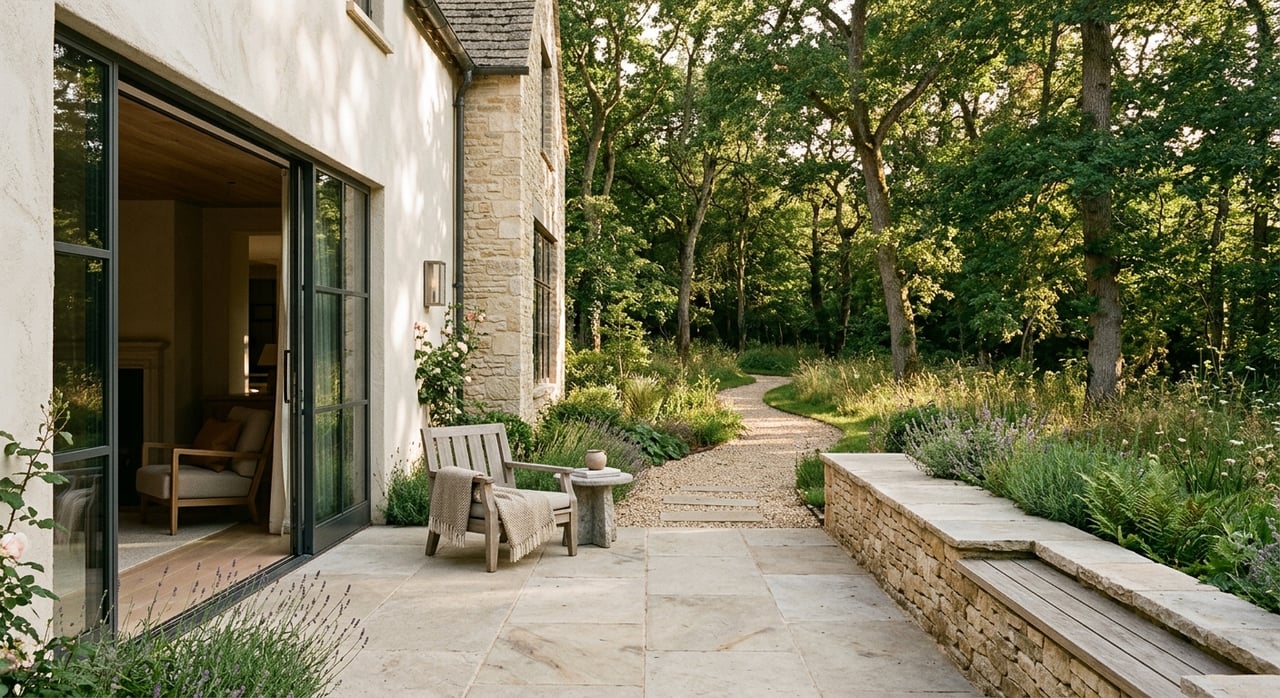
- The connection between indoor and outdoor living
For homes near Windy Hill, location storytelling can be especially strong. Midpen notes that Windy Hill Preserve is accessible from Portola Road and offers vistas that can extend to both the Bay and the Pacific on clear days.
Outdoor spaces can add value and complexity
Outdoor spaces are a major part of the Portola Valley sale story, but they also come with design constraints. If your property borders a trail, conservation easement, or open-space corridor, that can be a meaningful marketing asset while also requiring care in how the property is maintained and presented.
The town’s landscape guidelines discourage incompatible planting that alters the landscape character. They also prohibit planting in trail easements or conservation easements, which is an important reminder if you are trying to refresh edge conditions before listing.
Views can be equally sensitive. Town guidance says structures should be sited to minimize visual impacts, preserve open space, protect view corridors, and avoid blocking neighboring views.
Wildfire readiness matters to buyers
In Portola Valley, outdoor presentation is not only about beauty. Wildfire readiness is also part of the conversation.
The town says it works closely with the Woodside Fire Protection District on wildfire preparedness, vegetation management, evacuation planning, and home-hardening efforts. CAL FIRE also recommends defensible space, ignition-resistant materials, and continued fuel reduction within 100 feet of the property line or home where applicable.
For sellers, this means wildfire-conscious upkeep can support both presentation and buyer confidence. Clean, well-managed exterior spaces often read as more than cosmetic in this market.
Prepare disclosures and ownership documents early
Once your home is nearing launch, paperwork becomes just as important as presentation. Early preparation can reduce stress once offers begin to come in.
The California Department of Real Estate says sellers of most 1-4 unit homes must complete a Transfer Disclosure Statement. It also notes that a Natural Hazard Disclosure Statement applies to properties in certain hazard zones, including very high fire hazard severity zones, flood areas, earthquake fault zones, and seismic hazard zones.
If title or ownership is complicated, timing matters even more. San Mateo County states that a Preliminary Change of Ownership Report must be submitted when a recorded transfer document changes ownership, and different deadlines apply if the transfer is unrecorded or related to a death.
Why title structure should be reviewed before listing
Some Portola Valley properties are held in trusts, inherited estates, or other ownership structures. San Mateo County notes that qualifying changes in ownership can trigger reassessment to current fair market value, and the California Board of Equalization explains that changes in ownership can arise through sale, gift, inheritance, trust transfers, and other transfers.
If your sale involves a trust, estate, LLC, or family transfer history, it is wise to sort that out before marketing begins. The earlier you understand the ownership picture, the easier it is to avoid surprises during escrow.
Bring in the right professionals at the right time
A smooth Portola Valley sale often depends on early coordination. Not every seller needs the same team, but some situations call for expert advice before the property hits the market.
You may want to bring in a CPA or tax attorney before listing if the home was rented, partially rented, used for business, owned through an entity, or may generate gain above the standard principal residence exclusion. The IRS and California Franchise Tax Board say many homeowners can exclude gain on a principal residence sale if they owned and used the home as their main home for at least 2 of the last 5 years, generally up to $250,000 for single filers and $500,000 for joint filers.
You may want an estate attorney involved if the property is in a trust, part of a probate or inherited estate, or tied to family transfer questions. Proposition 19 rules can matter in inherited or intergenerational situations, and the Board of Equalization notes limits around the parent-child exclusion.
You may also need land-use or permit guidance before making changes to trees, grading, drainage, or major outdoor improvements. In Portola Valley, those choices can affect both compliance and marketability.
A practical order of operations
If you want the process to feel organized, it helps to follow a clear sequence. In Portola Valley, the strongest sale plans usually move in this order:
- Walk the home and site carefully
- Identify condition issues and likely disclosures
- Review any exterior work for permit or design concerns
- Choose selective pre-sale improvements
- Coordinate staging, vendors, and photography
- Launch with marketing that highlights the setting
- Move through disclosures, escrow, and ownership reporting with the right support
This kind of structured preparation is especially useful in a market where the home and land are inseparable in the buyer’s eyes. It can also help you make calm, informed choices instead of rushing into fixes that do not improve your result.
A Portola Valley sale rewards thoughtful preparation, strong presentation, and careful handling of the details that matter locally. If you want a steady, high-touch process with disciplined project management from first walkthrough through closing, David Kelsey can help you plan the right strategy for your home.
FAQs
What makes selling a home in Portola Valley different?
- Portola Valley buyers often evaluate the house and the site together, with close attention to privacy, views, outdoor living, mature landscaping, and trail or open-space relationships.
Do Portola Valley sellers need to check permit rules before landscaping work?
- Yes. In Portola Valley, certain tree removal, vegetation removal, grading, excavation, and other exterior changes may require town review or permits.
Should a Portola Valley seller remove trees to improve views before listing?
- Possibly, but only after checking town rules because significant tree removals and view-related changes can require permits or implicate local design guidance.
What disclosures are common in a Portola Valley home sale?
- For most 1-4 unit California home sales, sellers should expect to complete a Transfer Disclosure Statement, and some properties will also require a Natural Hazard Disclosure Statement.
Why does ownership structure matter before selling a Portola Valley property?
- If the property is held in a trust, estate, LLC, or involves family transfers, ownership reporting and possible reassessment issues should be reviewed early to avoid delays during escrow.
How should a Portola Valley seller market outdoor space?
- Marketing should show how the home connects to its land, including usable outdoor areas, natural landscape character, privacy, views, and trail proximity where relevant.