If you want Peninsula access without living in the middle of constant activity, Portola Valley stands out fast. For many relocating buyers, the appeal is simple: you get a quiet, open-space setting near major Peninsula destinations, but you also need to understand the tradeoffs that come with that lifestyle. This guide will help you see how Portola Valley works as a home base, what daily life actually feels like, and what to evaluate before you make a move. Let’s dive in.
Why Portola Valley Appeals
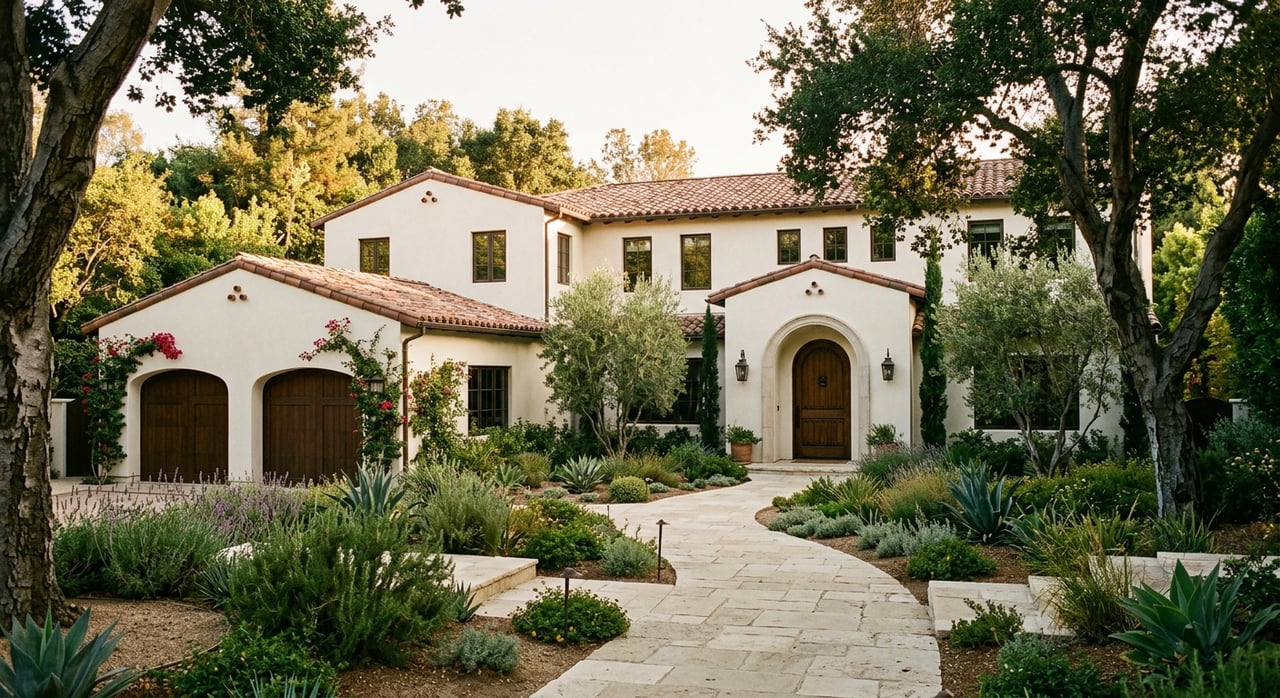
Portola Valley is a small Peninsula town of roughly 4,500 residents just west of Stanford University. The town describes itself through environmental and historic heritage, open space, trail access, scenic roads, and design guidelines that emphasize blending into the landscape. If you are looking for a quiet, nature-forward base, that identity is a big part of the draw.
This is not a dense suburban center with a large retail core. The town encourages commercial activity mainly when it serves residents' needs, so the amenity base stays compact. In practical terms, many everyday errands extend into nearby Menlo Park, Palo Alto, or Redwood City.
What Daily Life Feels Like
A quieter Peninsula rhythm
Living in Portola Valley often means trading convenience at your doorstep for a more private, low-density setting. The town center of gravity is civic and residential rather than retail-focused. That can be a strong fit if you want your home environment to feel calm, green, and tucked away.
Town Center is the main civic hub. It includes Town Hall, the county library, community hall, recreational fields, and the Historic Schoolhouse used for council and committee meetings. That gives the town a clear gathering point, even though public hours are limited for some facilities.
Small local amenity base
Portola Valley does have a neighborhood-oriented set of local businesses. The town business list includes examples such as Roberts of Portola Valley grocery, Portola Valley Hardware, restaurants, gas and auto service, and professional offices. Still, the overall commercial base is modest rather than broad.
For relocating buyers, that matters because your lifestyle fit may depend on how often you want to leave town for errands, dining, or routine services. Some people see that as a downside. Others see it as exactly what protects the town’s quieter character.
Open space is part of the lifestyle
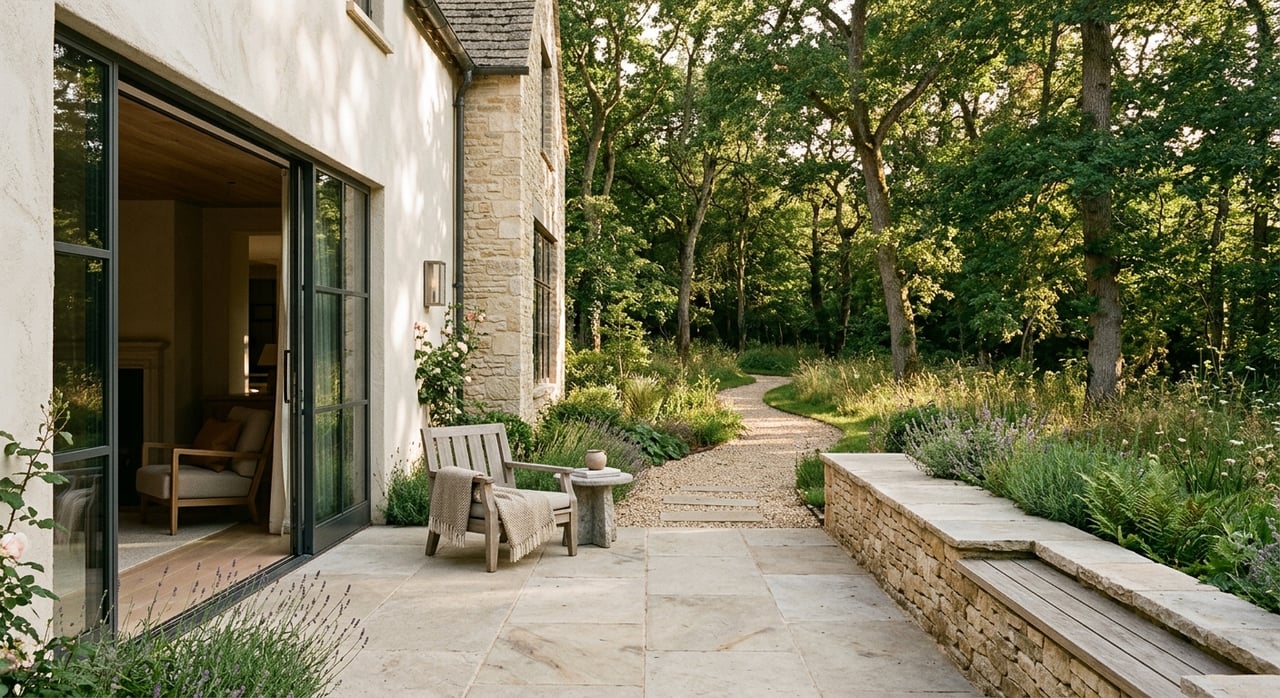
Open space is one of Portola Valley’s defining features. The town notes that it is filled with trails and open spaces, and it has nearly the same number of miles of trails as roads. That is not a small detail. It shapes how the town feels day to day.
Nearby preserves like Windy Hill and Los Trancos are especially useful when you are trying to understand the area. Both are open from a half-hour before sunrise to a half-hour after sunset. Windy Hill’s lower parking area is on Portola Road, with overflow parking at Town Center about 0.4 miles north.
Commuting From Portola Valley
Portola Valley is largely car-first
If you are relocating for work or regular regional access, it helps to start with one clear fact: Portola Valley is a car-first base. The town’s scenic-roads planning framework includes I-280 and identifies Alpine Road and Portola Road as local scenic roads. That means your relationship to those corridors can shape your everyday convenience in a meaningful way.
When evaluating a home, commute ease is often less about distance on paper and more about how directly you connect to the main roads you will actually use. A beautiful setting can feel very different depending on road access, turns, slope, and time to the corridor.
Rail access comes from nearby cities
There is no Caltrain station inside Portola Valley. Instead, rail access comes from nearby stations such as Menlo Park, Palo Alto, and Redwood City. Caltrain shows frequent service at Menlo Park and Redwood City, and its shuttle directory includes commute shuttles tied to Palo Alto, Menlo Park, and Redwood City stations.
If rail matters to your routine, it is smart to think of Portola Valley as a drive-to-train market. That setup works well for some buyers, especially if they want a quieter home environment and are comfortable with a first leg by car.
Public transit is limited
SamTrans does serve Portola Valley, but the current listed routes are school-oriented routes such as 85, 86, and 87 rather than a broad all-day commuter network. For most relocating households, that means public transit is not likely to function as the main daily transportation plan.
If you want flexibility, test the actual route from a home to your likely station, office, or airport connection. In Portola Valley, real-world convenience matters more than assumptions.
Housing Options in Portola Valley
Detached homes dominate
Portola Valley’s housing stock is still dominated by detached single-family homes. The town’s housing appendix reports that 81.1% of homes were single-family detached in 2020. It also notes that the town lacks a wide variety of housing types, with limited multifamily housing concentrated at The Sequoias.
That profile aligns closely with what many relocating buyers expect here. If you are moving to Portola Valley, your search will usually center on single-family homes rather than condos or dense multifamily options.
ADUs play an important role
Accessory dwelling units matter in Portola Valley. The town says ADUs are a key way to add housing while preserving rural character, and that they have historically been the town’s most important source of housing for moderate-income-or-below households. For some buyers, that can matter when evaluating multigenerational use, guest space, or property flexibility.
If an ADU is part of your search criteria, it is worth looking closely at how that space supports your actual needs. In this town, the details of the lot and the fit with the property often matter as much as the headline feature.
Short-term rentals are not a fallback
Portola Valley prohibits rentals shorter than 30 days. If you are relocating from outside the area, that rule is important because it limits the chance of using a short-term in-town rental as a flexible landing spot while you search.
In many cases, buyers use nearby Peninsula hotels or other lodging for a scouting trip, then focus their active search on detached homes, ADUs, and any site-specific multifamily opportunities. That approach usually creates a more realistic search plan.
How To Evaluate Location Inside Town
Think in three distinct experiences
A useful way to search Portola Valley remotely is to divide it into three experiences: the Portola Road and Town Center corridor, the Alpine Road corridor, and the edge-of-open-space trailhead areas. The town’s own materials make clear that these corridors strongly shape everyday life and the visual character of the community.
This framework can help you quickly sort listings beyond price and square footage. It gives you a clearer sense of what kind of Peninsula base you are actually buying.
Portola Road and Town Center corridor
This area tends to feel most connected to the town’s civic core. If you want easier access to Town Center, local services, and a more direct path through town, this corridor may feel practical. It can be a strong fit for buyers who want Portola Valley’s setting without feeling too removed from the center of daily activity.
Alpine Road corridor
The Alpine Road corridor can offer a different experience shaped by scenic-road character and access patterns. Depending on the property, this part of town may feel more tucked away or more tied to a specific drive route. For many buyers, this is where on-the-ground touring becomes especially important.
Edge-of-open-space areas
Homes near trailheads and open-space edges can deliver some of the strongest nature-forward appeal in town. They can also raise practical questions about privacy, slope, road approach, and daily drive times. In a town like Portola Valley, those details have a real effect on long-term satisfaction.
What To Check During Your Search
Focus on the right variables
In Portola Valley, the most useful diligence questions go beyond bedroom count and price. The town’s rural character, scenic-road framework, and open-space setting make several practical factors especially important.
As you narrow options, pay close attention to:
- Road noise
- Lot slope
- Privacy
- Access to the main corridor
- How the home fits Portola Valley’s low-density, trail-oriented setting
These factors often shape daily livability more than buyers expect at first glance.
Plan a practical one-day visit
If you are visiting from out of area, a focused one-day tour can tell you a lot. A practical itinerary is to start at Town Center during library or Town Hall hours, drive Portola Road and Alpine Road, take a short hike at Windy Hill or Los Trancos, and then stop at a nearby Caltrain station in Menlo Park, Palo Alto, or Redwood City to gauge the commute feel.
That sequence works because it shows you the town’s civic core, driving pattern, open-space identity, and regional access in a single day. It is one of the clearest ways to test whether Portola Valley feels right as your Peninsula base.
Why Guidance Matters Here
Portola Valley can be a strong fit for relocating buyers who want privacy, natural surroundings, and access to the broader Peninsula without living in a busier center. At the same time, it is a market where micro-location, road access, and property setting matter a great deal. A disciplined search helps you compare homes based on how you will actually live, not just how a listing looks online.
If you are weighing Portola Valley against nearby Peninsula options, a clear local perspective can save time and sharpen your decision-making. For a confidential conversation about relocating to Portola Valley or finding the right Peninsula fit, connect with David Kelsey.
FAQs
Is Portola Valley a good Peninsula base for commuting?
- Portola Valley can work well as a Peninsula base if you are comfortable with a car-first routine, since rail access comes from nearby Caltrain stations in Menlo Park, Palo Alto, and Redwood City rather than from within town.
What is daily life like in Portola Valley for relocating buyers?
- Daily life in Portola Valley is generally quiet, low-density, and shaped by open space, trails, scenic roads, and a compact local amenity base, with many errands handled in nearby cities.
What kinds of homes are most common in Portola Valley?
- Portola Valley is dominated by detached single-family homes, which made up 81.1% of the housing stock in 2020, while multifamily options remain limited.
Can you use a short-term rental while relocating to Portola Valley?
- Short-term rentals under 30 days are prohibited in Portola Valley, so many out-of-area buyers use nearby lodging during scouting trips instead.
What should you look for when touring homes in Portola Valley?
- When touring homes in Portola Valley, pay close attention to road access, noise, lot slope, privacy, and how the property fits the town’s low-density, trail-oriented setting.