Thinking about selling your Woodside home but not sure where to start with improvements, permits, or staging? You are not alone. Estate properties here have unique systems and site features, and buyers expect turnkey presentation. In this guide, you will learn how a concierge-style approach can streamline upgrades, reduce buyer friction, and help you launch with confidence. Let’s dive in.
Why concierge prep works in Woodside
Woodside buyers pay for privacy, acreage, and condition. Large lots, custom systems, and equestrian features make preparation more complex than a typical suburban home. A concierge-style plan organizes inspections, permits, smart upgrades, and presentation into one coordinated timeline so you can go to market with fewer surprises.
A focused scope does not mean overspending. In fact, industry data shows exterior curb appeal and modest kitchen or bath refreshes often return more of your investment than major, disruptive remodels. You want targeted work that photographs well, clears buyer concerns, and supports a premium first impression. Kiplinger’s overview of projects that pay off is a helpful rule of thumb.
Start with assessments
Home and systems checks
Begin with a full home inspection to surface structural, roof, electrical, plumbing, and HVAC priorities. If there is a pool or spa, include safety and equipment checks. Shore up health, safety, and function first. Buyers at the high end expect clean reports and clear documentation.
Septic and wells
Many Woodside parcels rely on onsite wastewater treatment systems and private wells. San Mateo County requires septic pump and inspection records, and permits if repairs or modifications are needed. Plan for pumping, inspection, and any follow-up noted by Environmental Health, and keep the paperwork ready for escrow. Review the County’s guidance for onsite systems at San Mateo County Environmental Health.
Wildfire risk and access
Portions of Woodside fall within mapped Fire Hazard Severity Zones, which can trigger added disclosure and influence buyer due diligence. Check your parcel’s current designation using the State Fire Marshal’s resources and plan early for defensible space, vegetation management, and simple home-hardening tasks. Start with the State Fire Marshal’s Fire Hazard Severity Zone information and local guidance from the Woodside Fire Protection District. Also confirm driveway access for emergency vehicles and address any erosion on steep areas.
Permits and planning
Woodside is an incorporated town with its own Planning and Building counters. Confirm permit history and requirements before you set scope, especially for structural work, roof projects, pools, ADUs, or anything that could affect septic or wells. Start with the Town’s Planning and Building resources at the Town of Woodside.
High-impact upgrades that sell
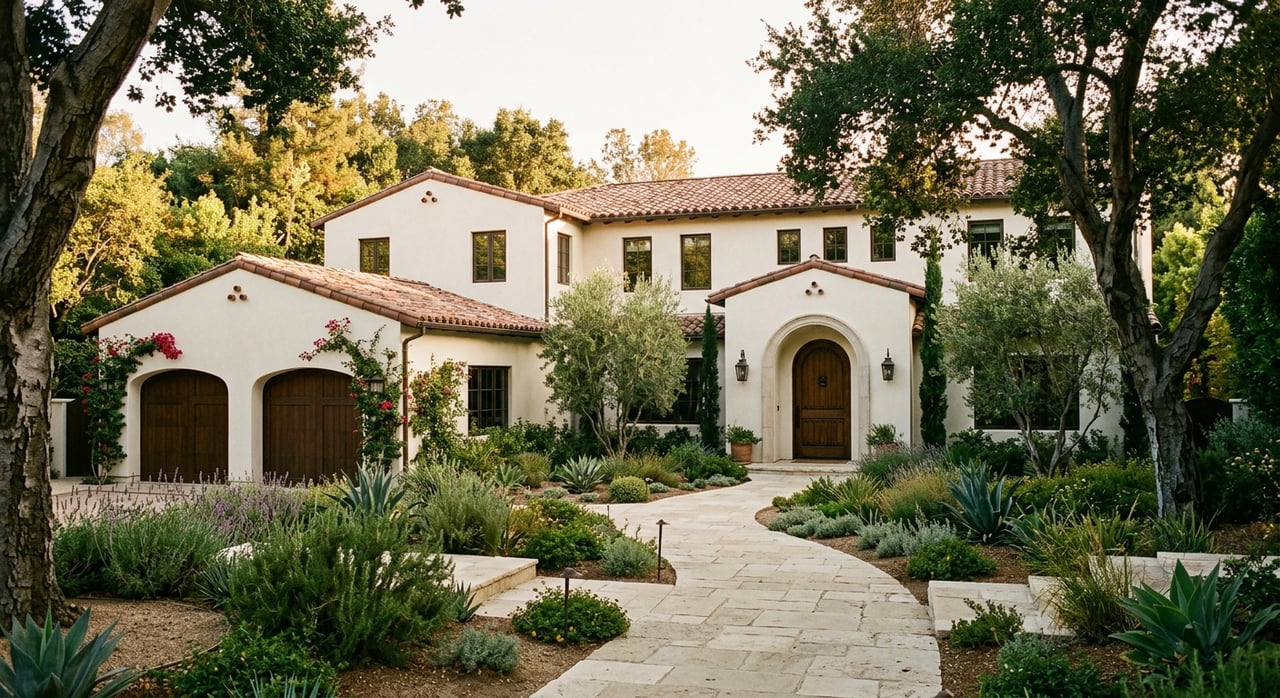
Curb appeal and exterior
First impressions carry real weight for estate buyers. Focus on:
- Driveway and entry repairs that signal care.
- Paint or siding touch-ups where wear shows.
- Roof maintenance or minor repairs if age is evident.
- Updated garage and entry doors that photograph cleanly.
- Landscape cleanup with defensible space, chipping, and healthy canopies.
Exterior improvements tend to deliver strong perceived value and support faster interest. National reporting supports the outsized payoff of curb-focused projects, as summarized by Kiplinger.
Systems and safety items
Fix active leaks, roof and foundation issues, electrical hazards, and any pool safety gaps. Address septic repairs early and keep receipts and permits organized. Buyers will ask for proof of function and code compliance, and the County may require upgrades if systems are inadequate. See the septic and well requirements at San Mateo County Environmental Health.
Kitchen and bath refresh
In many cases, a targeted “minor kitchen remodel” or bath refresh outperforms a full upscale gut in terms of cost recouped. Think hardware, lighting, paint, counters, plumbing fixtures, and a streamlined appliance package. The goal is to remove objections and elevate photos without introducing long permitting delays. Review ROI patterns via Kiplinger’s Cost vs. Value overview.
Outdoor living and equestrian assets
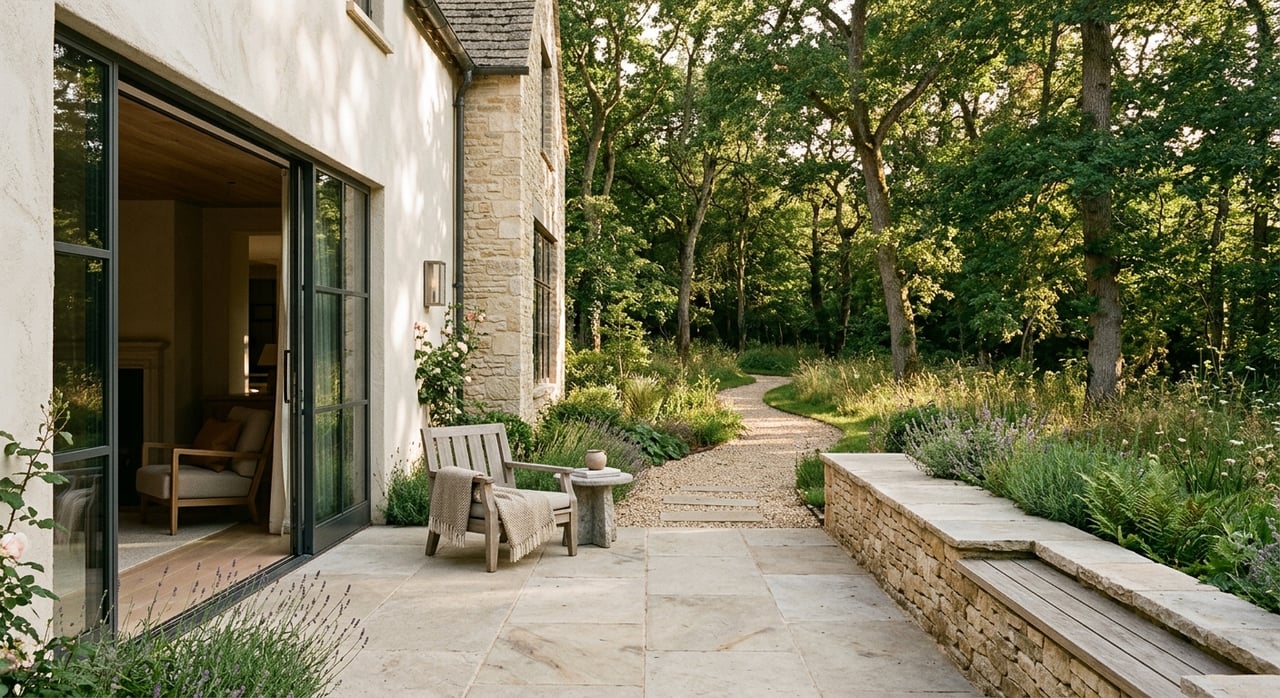
Woodside buyers respond to lifestyle. Stage patios and terraces as defined outdoor rooms. Clean barns and tack rooms, refresh fencing, and clear direct access to arenas or paddocks if you are marketing as equestrian. Highlight trails and privacy. If noise or road conditions could be a concern, solve what you can up front and disclose the rest clearly.
Staging and presentation for estates
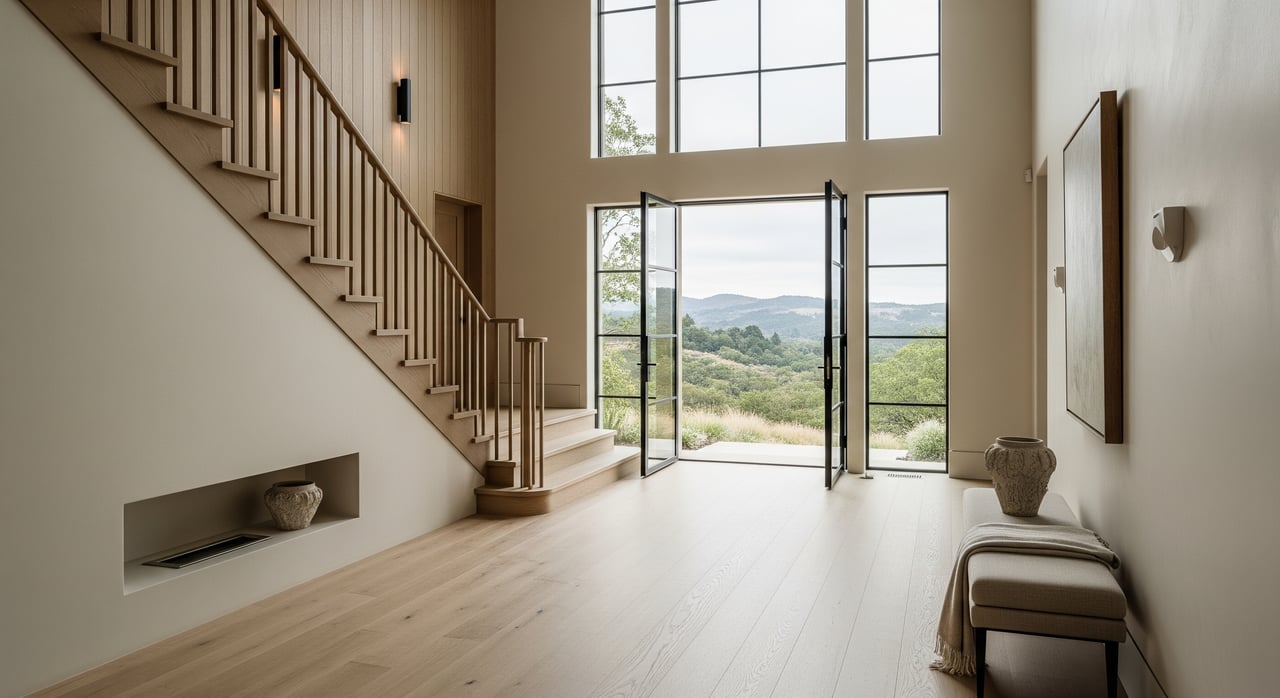
Staging remains a proven accelerator. Industry surveys show that staging helps buyers visualize a property, can reduce time on market, and may support stronger offers. Focus on the living room, primary suite, and kitchen, and invest in professional photography, floor plans, drone, and twilight sequences. See recent findings on the impact of staging in the NAR-aligned report covered by GlobeNewswire.
For Woodside in particular, aerials help show scale, canopy, and separation from neighbors. Site maps that label guest houses, barns, courts, trails, and secondary structures help buyers grasp the full program of the property.
How concierge programs are structured
Concierge-style preparation can remove friction and speed your launch. Common models include:
- Brokerage-fronted costs with repayment at closing. A brokerage program, such as Compass Concierge, may front the cost of approved staging, repairs, and light renovations, then recoup at close. Industry coverage outlines how these programs typically operate and the benefits for sellers. For a general overview, see Inman’s discussion of concierge models.
- Third-party renovation partners who defer payment to sale. A specialized vendor coordinates work and is paid from proceeds at close. Useful when scope is larger and you want one point of contact.
- Seller-funded with concierge coordination. You fund work up front, and an agent manages scope, vendors, and schedule. Lower financial complexity and full control over materials and pricing.
Key design points to clarify in writing:
- Repayment terms and triggers if the property does not close within a set period.
- Scope approvals, vendor licensing and insurance, and who pulls permits with the Town of Woodside.
- Timeline coordination across inspections, permitting, remediation, staging, and media so your market date is protected.
- Documentation and disclosures for any health, safety, or system work.
A practical timeline and checklist
Use this high-level sequence to stay on track:
- Walk-through and photo inventory to capture bespoke features and set goals.
- Order general inspection and pest, then schedule septic pump and inspection, well testing if applicable, plus roof, pool, and chimney as needed.
- Review fire hazard designation and plan defensible space and basic home hardening. Start exterior cleanup early.
- Confirm permit needs with the Town of Woodside for any structural, roof, pool, or septic work. Assign who pulls and pays.
- Tackle systems and safety first, followed by curb appeal and targeted cosmetic refreshes.
- Lock staging plan and installation dates for key rooms. Arrange storage or partial move-out if needed.
- Book photography, drone, floor plans, site map, and a twilight session to highlight setting and privacy.
- Assemble maintenance records, septic and well reports, permits, and warranties for buyer packages.
- Prepare California disclosures, including the Transfer Disclosure Statement and the Natural Hazard Disclosure.
- Final detailing, landscape touch-ups, window cleaning, and launch.
For reference material on septic documentation, visit San Mateo County Environmental Health. For hazard maps and wildfire resources, review the State Fire Marshal’s guidance and local programs via the Woodside Fire Protection District. For permits, start with the Town of Woodside. For California disclosure context, see the state’s natural hazard resources at the California Geological Survey.
Budget and ROI signals
Aim to invest where photos and buyer confidence benefit most. Industry practice suggests a modest guideline for concierge scope at roughly 2 to 3 percent of the expected list price, scaled to your property’s needs and the local comps. For background on how concierge programs structure budgets and repayment, read Inman’s overview.
Use national Cost vs. Value trends as a directional benchmark, then calibrate to Woodside’s luxury market. Projects like garage door replacement, a clean-lined steel entry or quality wood door, minor kitchen updates, and midrange bath refreshes often deliver stronger recoup percentages than major additions, as noted in Kiplinger’s summary.
What to prepare for disclosures
California requires a Natural Hazard Disclosure and a Transfer Disclosure Statement, where applicable. If your parcel sits in a mapped fire severity zone, if you completed septic repairs, or if you have permit sign-offs, include those documents in your disclosure package. You can browse background on state hazard zones at the California Geological Survey and confirm septic documentation needs with San Mateo County Environmental Health. Always verify current permit status with the Town of Woodside before you market claims like ADUs or completed structural work.
Ready to bring your Woodside home to market with confidence? A concierge-style plan focuses dollars where they count, resolves friction before buyers ask, and presents the lifestyle that defines this town. If you want a hands-on partner to scope, permit, schedule, and present your property at its best, connect with David Kelsey for a confidential market conversation.
FAQs
What is a concierge-style pre-listing program for Woodside estates?
- A concierge program sequences inspections, permits, targeted upgrades, staging, and media into one managed process, often with the option to defer vendor payment to closing depending on the model.
How long does a typical concierge preparation take in Woodside?
- Small to mid-scope projects often take 2 to 8 weeks once inspections are complete, while larger structural or septic work can add months due to permitting and inspections.
Do I need permits for pre-listing work in the Town of Woodside?
- Many structural, roofing, pool, ADU-related, and septic projects require permits. Confirm requirements with the Town’s Planning and Building counters before you begin.
How do wildfire hazard zones affect my sale strategy in Woodside?
- Fire Hazard Severity Zone designations can drive disclosure requirements and buyer questions. Check your parcel’s status and budget for defensible space and simple home-hardening to reduce concerns.
What should I do about septic and well systems before listing?
- Schedule septic pumping and inspection, collect County-required records, and complete any noted repairs. If you have a private well, test flow and water quality and gather maintenance documentation.
Does staging really matter for luxury homes in Woodside?
- Yes. Industry surveys indicate staging helps buyers visualize the home and can reduce time on market. Combine focused staging with professional photos, floor plans, drone, and twilight shots for best results.