What kind of day do you want to have on the Peninsula: a quick Caltrain ride to dinner and a show, or a sunset walk on a ridge trail with city lights below? In Redwood City, you can choose both, depending on where you live. This guide walks you through everyday life from the compact, walkable downtown to the quieter hillside streets, with a look at commutes, parks, and how prices compare with nearby Menlo Park and Palo Alto. Let’s dive in.
Redwood City at a glance
You sit in the heart of the Peninsula with quick access to US‑101 and I‑280, plus a major Caltrain stop that anchors a compact, transit‑oriented downtown. Local employer filings consistently cite these links as a reason teams choose Redwood City for the balance of access and cost. You get the urban conveniences many professionals want without moving far from major job centers. For background on how transit shapes the core, see this overview of Redwood City’s central role along the corridor.
Redwood City’s median sale price recently hovered near about $1.9 million as of December 2025. That level is generally lower than Menlo Park, which often trends around $2.5–$2.8 million, and Palo Alto, which has been closer to $3.45 million. These gaps matter if you want more options or a broader mix of home types while staying near top employment hubs.
Downtown rhythm and lifestyle
Downtown clusters around Courthouse Square and the historic Fox Theatre, creating a compact core with restaurants, ticketed shows, and steady foot traffic on event nights. The Fox and Club Fox drive a weekly rhythm with concerts and touring events that keep the streets lively. If you value going out without driving, these blocks make it easy to meet friends, catch a show, and be home in minutes.
Housing here leans toward condos and rentals in mid‑rise buildings with mixed‑use storefronts. You trade larger yards for walkability, shorter commutes, and a neighborhood that feels active after work. Expect smaller footprints than hillside homes and more multi‑unit buildings than stand‑alone houses.
Who it fits
- You want a car‑light lifestyle and a fast train commute.
- You like restaurants, shows, and programmed events nearby.
- You are open to event‑night energy and periodic street noise as part of the scene.
Waterfront and Inner Harbor living
East and north of downtown, the Port of Redwood City and inner harbor add a quieter, waterside layer to daily life. Small marinas, launch points, and bay‑edge walking paths offer everyday escapes if you sail, kayak, or just want to be near the water. It is not a continuous tourist boardwalk, but the access points are meaningful for residents who use the Bay as their backyard.
Nearby housing can include modern waterfront condos with views, such as turnkey buildings at the harbor, along with older single‑family pockets a short drive inland. You balance a relaxed setting and bay access with more driving to reach downtown or hillside trails.
Who it fits
- You want water views or easy access to the Bay Trail and launch points.
- You prefer a quieter setting over nightlife, but still like being a short drive to downtown.
- You are comfortable with a car for most errands.
Hills: Emerald Hills and Pulgas Ridge
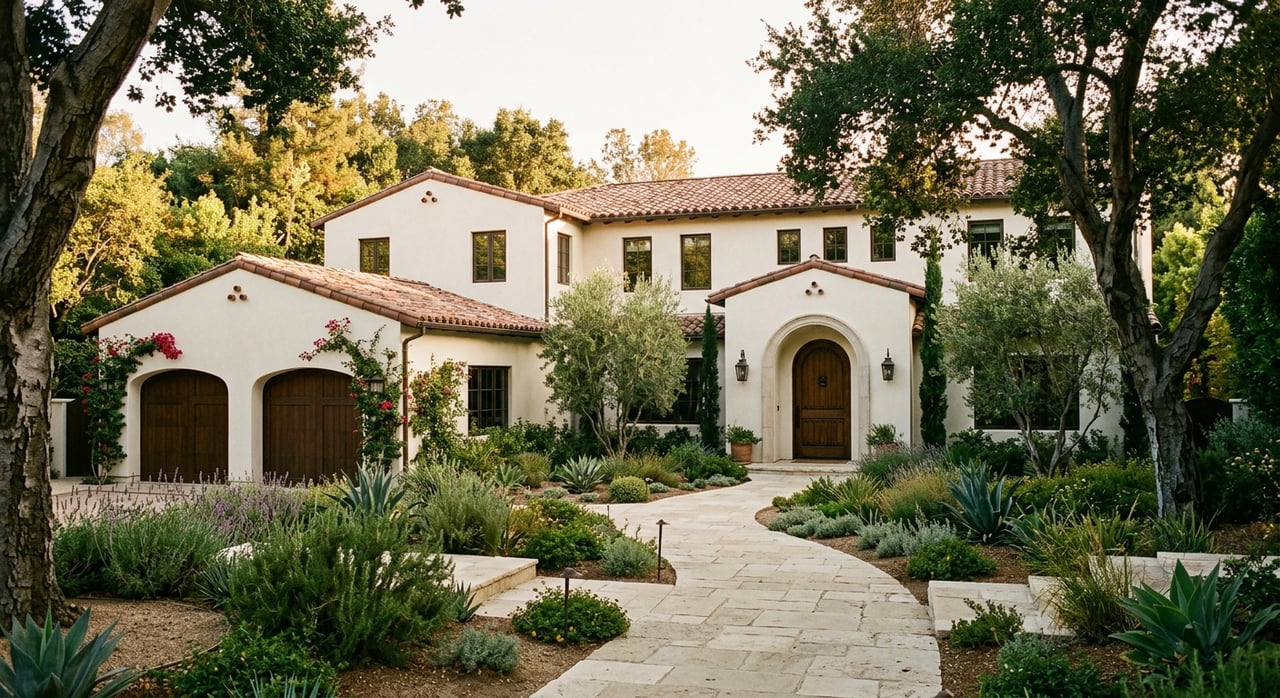
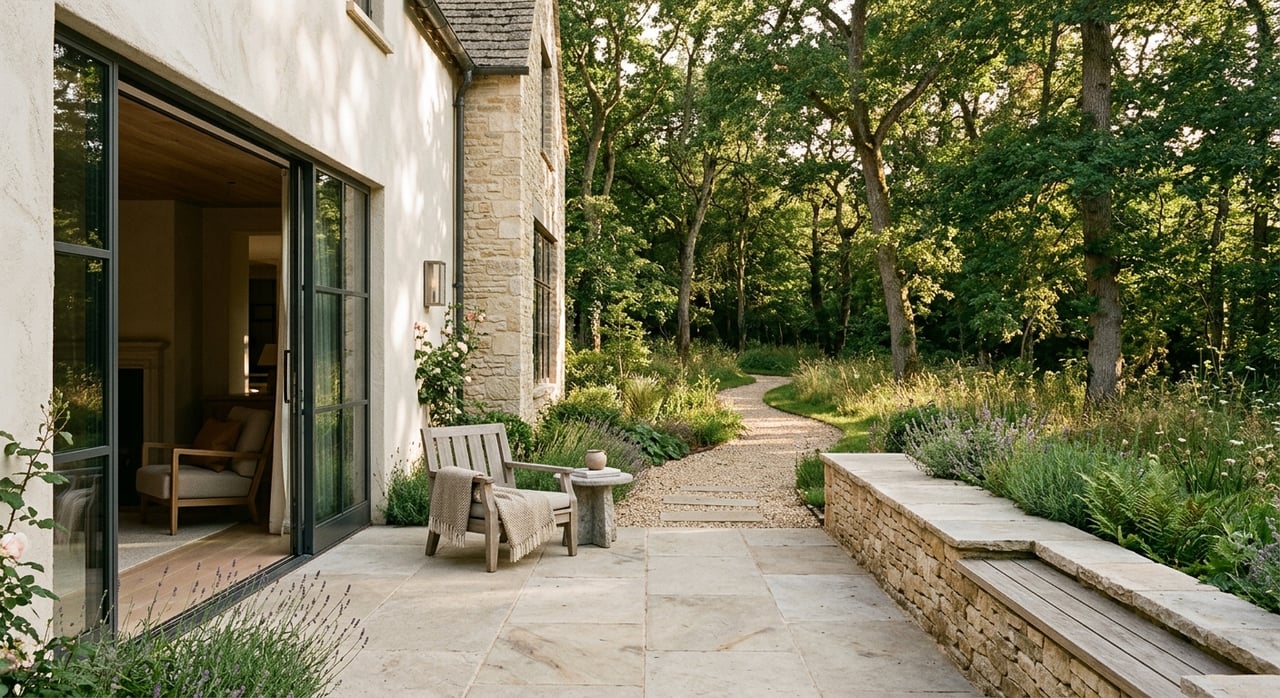
Head up into Emerald Hills and the Pulgas Ridge corridor and the feel changes. Streets get steeper, lots get larger, and daily life slows down. You see midcentury ranch homes, renovated properties, and custom builds, with many homes oriented toward views and outdoor space. The character is more private and nature‑forward.
Living here puts you close to major preserves. Edgewood County Park and Natural Preserve offers about 467 acres of trails, spring wildflowers, and viewpoints that locals use for quick hikes before or after work. It is a defining asset for hillside residents who prioritize time outdoors.
Practical trade‑offs include fewer sidewalks, limited transit, and more driving for groceries and daily services compared with downtown. Many buyers accept those trade‑offs for views, quiet streets, and larger yards.
Who it fits
- You want a stand‑alone home, more land, and a sense of privacy.
- You value quick trail access and scenic outlooks.
- You are comfortable driving more for errands and commutes.
Everyday amenities that shape routines
- Dining and shows: Downtown’s restaurant clusters and theater programming create a steady calendar of things to do. You can plan dinner around a performance with minimal planning.
- Arts and events: Courthouse Square functions as downtown’s outdoor living room, with recurring concerts, movies, and community programming that change the pedestrian feel from day to night. Check venue and city calendars to sync with your schedule.
- Parks and open space: If trails matter, hillside neighborhoods offer you daily access to preserves, while the harbor area gives you water‑adjacent paths and launch points for casual paddles.
Getting around made simple
Caltrain is a core advantage if you prefer rail over highway driving. Redwood City’s station connects you north to San Francisco and south to Mountain View and San Jose, with schedules that vary by time of day and season. Many employers also run private shuttles or support vanpools, which can simplify last‑mile connections from the station.
Drivers benefit from proximity to US‑101 and I‑280. Off‑peak trips to neighboring job centers often run 10–20 minutes, with longer times during commute hours. Downtown addresses typically reduce last‑mile needs, while hillside homes usually mean a car for errands.
Prices and what they imply
Redwood City’s median sale price has been around $1.9 million in late 2025. Compared with Menlo Park and Palo Alto, where medians trend higher, Redwood City often offers more variety and value while keeping strong access to jobs and transit. That said, micro‑neighborhoods differ. Hillside properties with views or modern waterfront condos can sell well above city‑level medians.
Here is a simple way to think about the trade‑offs by area:
- Downtown: more condos and apartments, strong walkability premium, smaller footprints.
- Waterfront: view premiums and quick water access for active lifestyles.
- Hills: larger lots and single‑family homes, with premiums for privacy and views.
How to choose your Redwood City fit
Use your daily routine to guide the search. Start with these questions:
- Do you want to walk to dinner, shows, and Caltrain, or do you prefer a quiet cul‑de‑sac with trailheads nearby?
- How often do you need to drive US‑101 or I‑280, and at what times?
- Do you want a yard and private outdoor space, or would you trade that for a newer condo and lock‑and‑leave ease?
- Would you enjoy being near a marina or bay‑edge paths, or do you prefer hillside views?
- Are you comfortable with event‑night energy downtown, or do you want a quieter street profile?
- For school‑related needs, will you review district boundaries and current data to confirm the right fit for your household?
If you are early in your process, consider touring one condo near the theater district, one hills home near Edgewood or Pulgas Ridge, and one harbor‑area condo. You will quickly feel which routine matches your day‑to‑day priorities.
Ready to explore Redwood City with a local advisor who understands micro‑neighborhoods and pricing nuances across the Peninsula? Let’s map options that align with your routine, budget, and longer‑term goals. Connect with David Kelsey to start a confidential conversation.
FAQs
Is Redwood City a good alternative to Menlo Park or Palo Alto?
- Yes for many buyers. You often get more housing variety and a lower median price while keeping strong transit and highway access. Neighborhood choice drives the trade‑offs between walkability and space.
Where should I live for walkable nightlife and short commutes?
- Focus on the downtown theater district and blocks around the Caltrain station. You will be close to restaurants, venues, and frequent programming.
Where should I look for quiet streets and quick trail access?
- Explore Emerald Hills and the Pulgas Ridge corridor. You will find larger lots and nature nearby, with more driving for errands.
What is the commute like from Redwood City?
- Caltrain links you to the Peninsula corridor, and US‑101 and I‑280 provide quick highway access. Off‑peak drives to nearby job centers can be short, with longer times during rush hours.
Are there trade‑offs to living near Courthouse Square?
- Yes. The steady calendar of shows and events is a draw, but you should expect more evening foot traffic and periodic event noise on nearby blocks.